Menu
Home
Project
Team
Blog
Outputs
Glimpses
Contact
Home
Glimpses
Glimpses
Images from our fieldwork & research
Home
Glimpses
Glimpses
Images from our fieldwork & research
Assorted research visuals
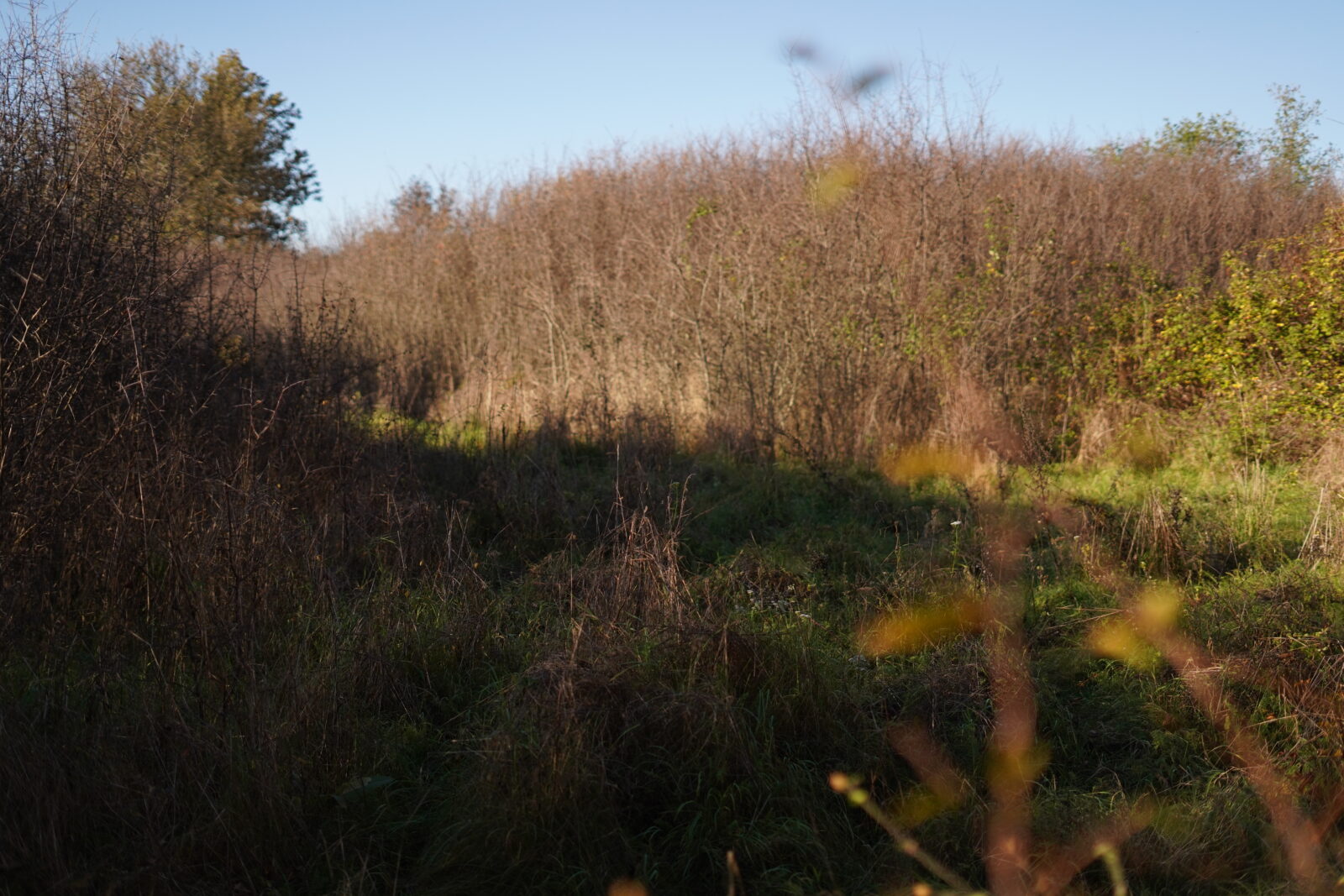
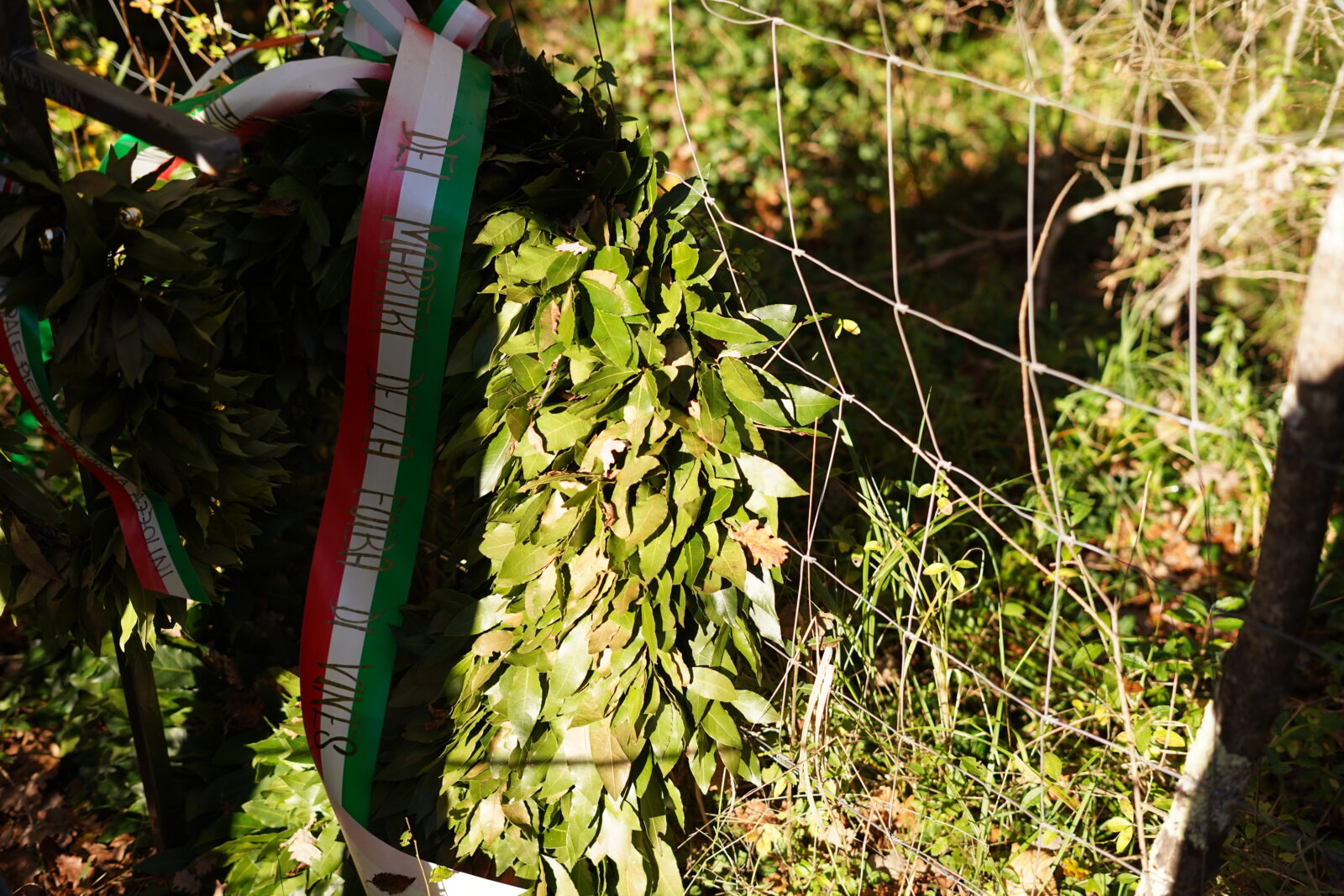
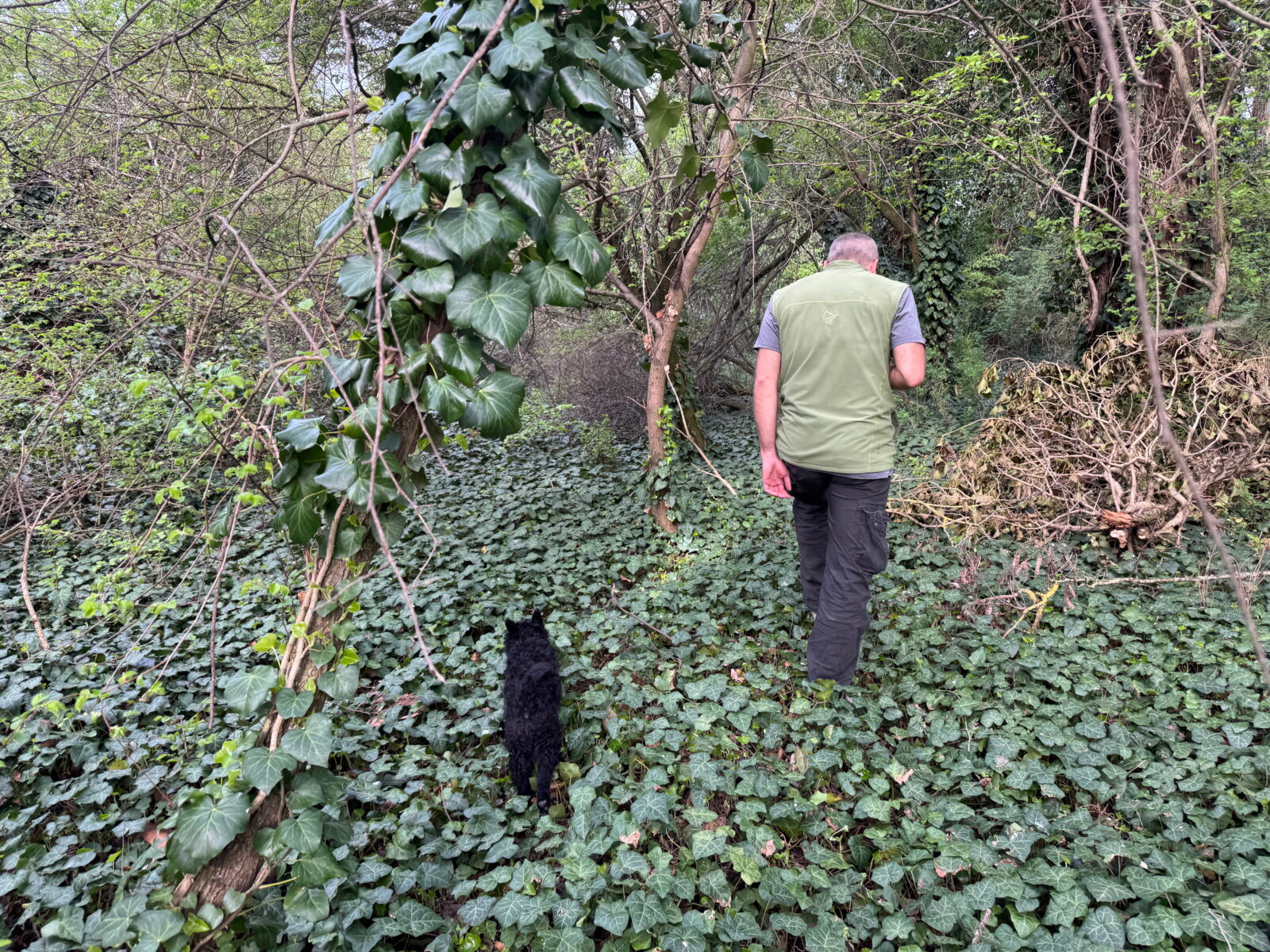
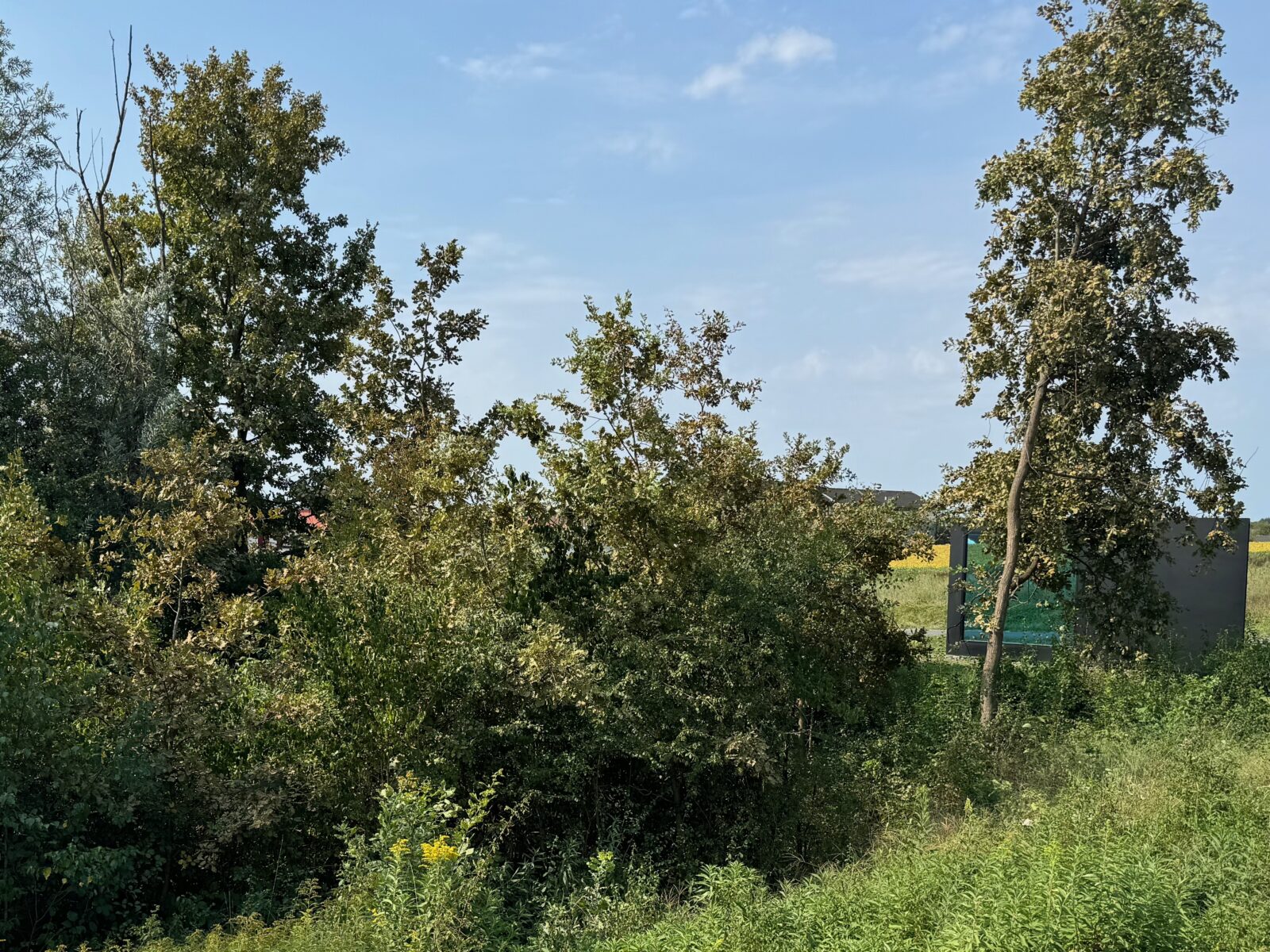
Behind these brambles lies the Foiba of Surani in Croatian Istria, where the body of Norma Cossetto, daughter of a fascist squadrista from Istria, was found. In Italian national discourse, Norma has become the martyr of the tragedy of foibe and her memory saturates every public space. October 2026, Laura Mafizzoli
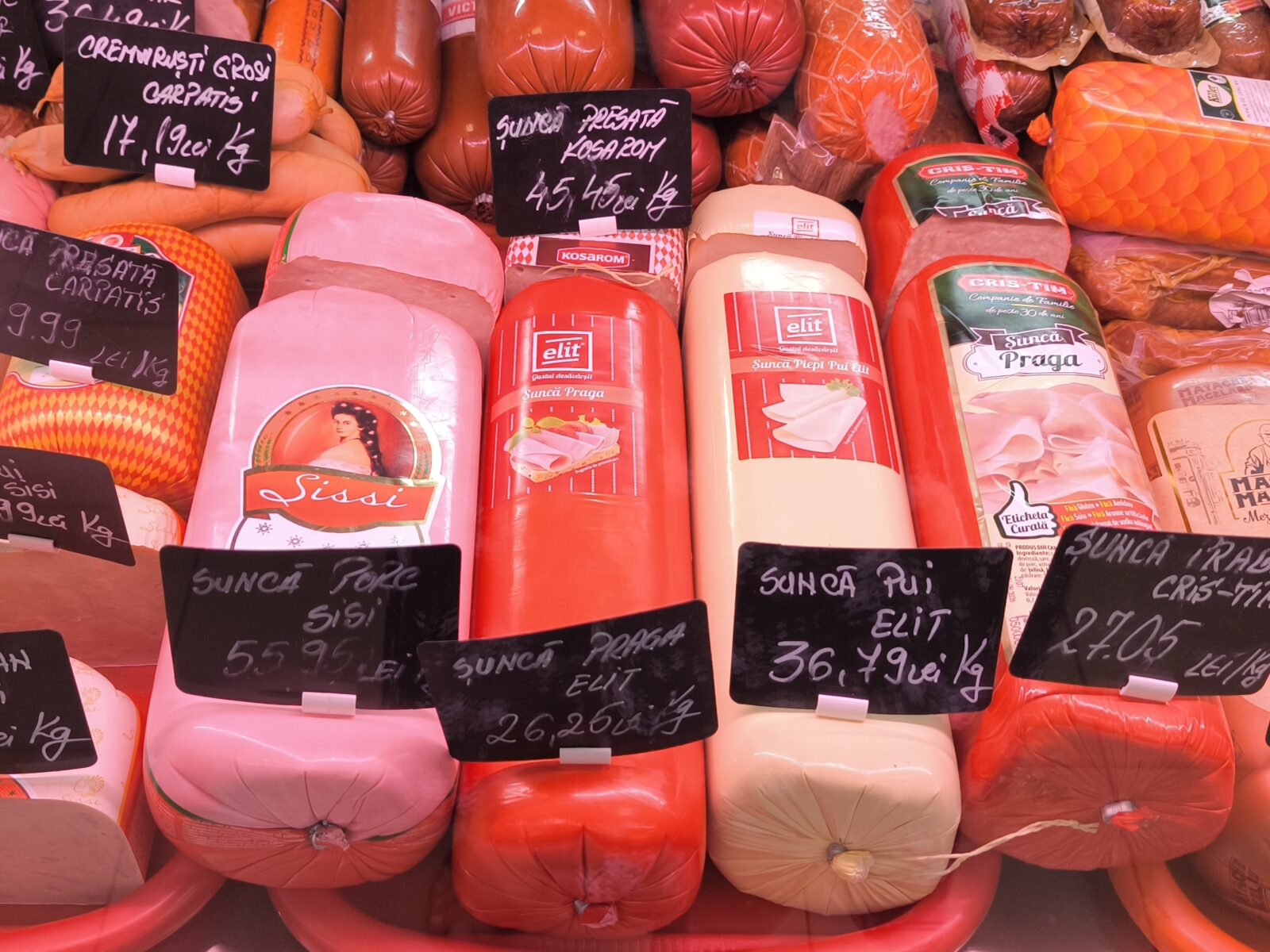
At the local grocery store, different types of ham line up, and priced above them all - Sissi Ham. The empress's name grants premium value to this product and reveals the commodified aspect of Habsburg nostalgia in Roamnian Bukovina. August 2026, Ioana Brunet
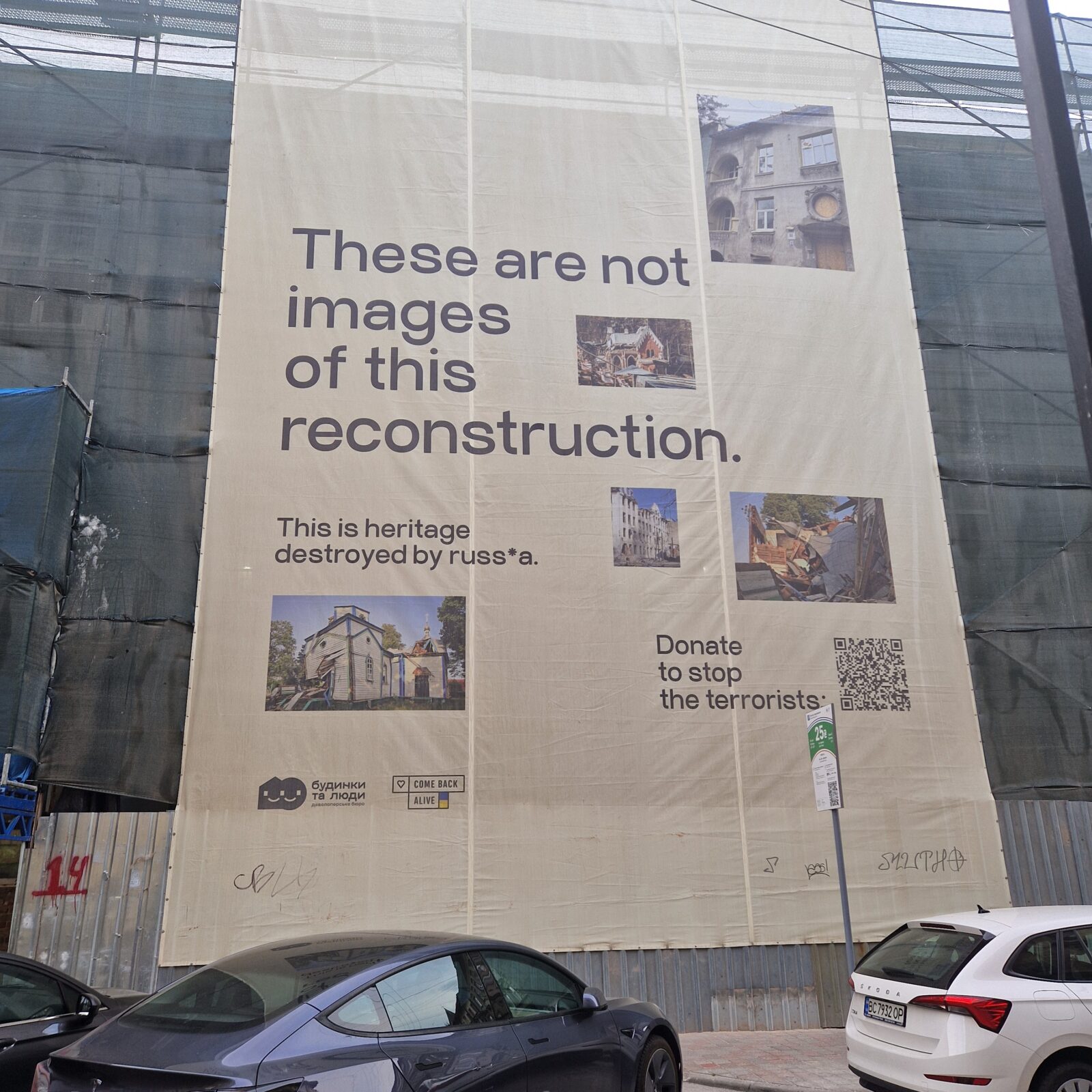
Scaffold net on a building facade commemorating destroyed and damaged architectural heritage in Ukraine, with a fundraising component. Lviv, June 2026, Diána Vonnák
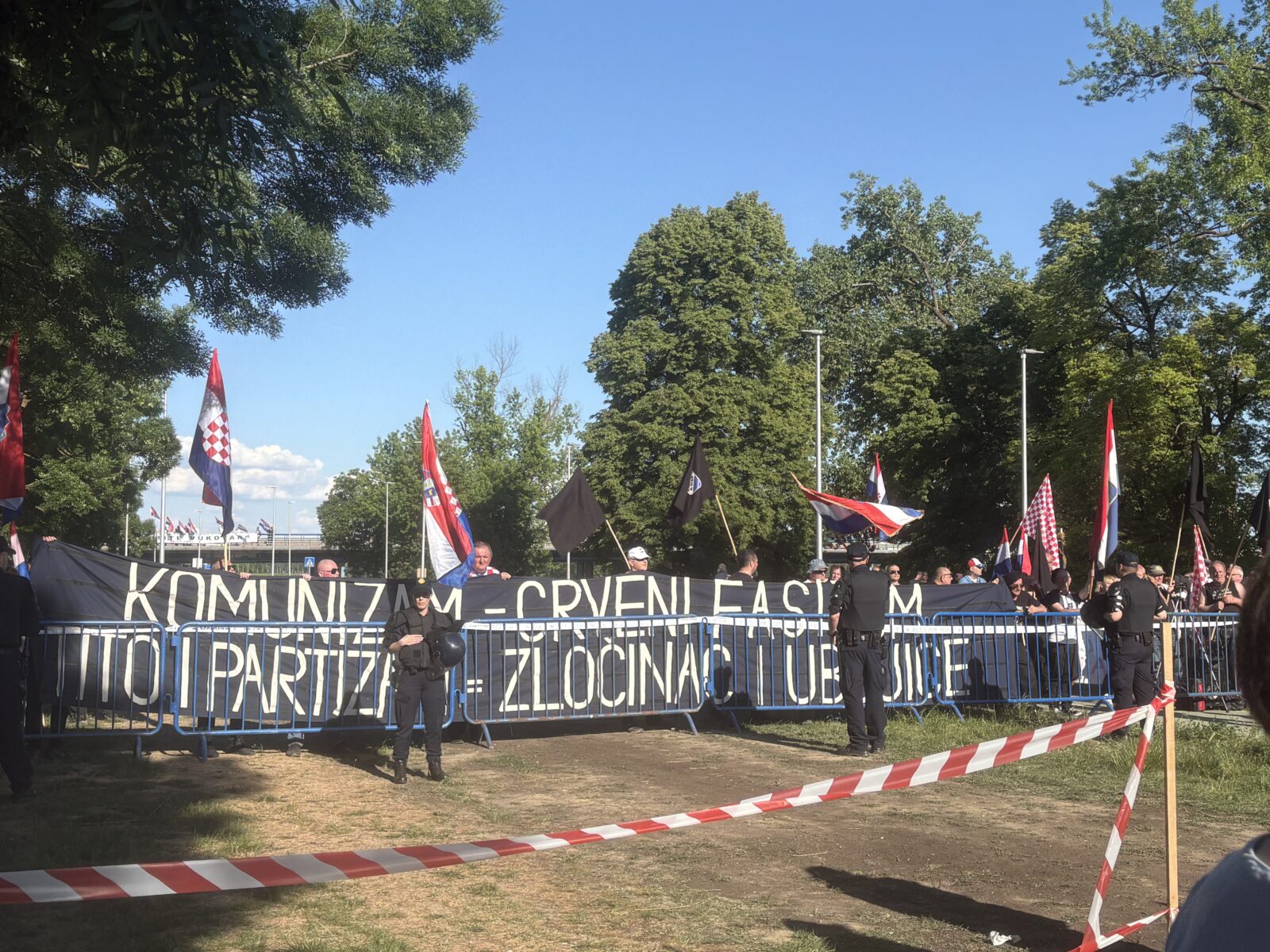
At Trnjanski Kresovi, the annual anti-fascist commemoration, far-right protesters gathered and carried Croatian flags and banners reading “Communism = Red Fascism” and “Tito and the Partisans = criminals and murderers,” invoking a revisionist narrative that rejects the Yugoslav partisan anti-fascist legacy. May 2026, Laura Mafizzoli
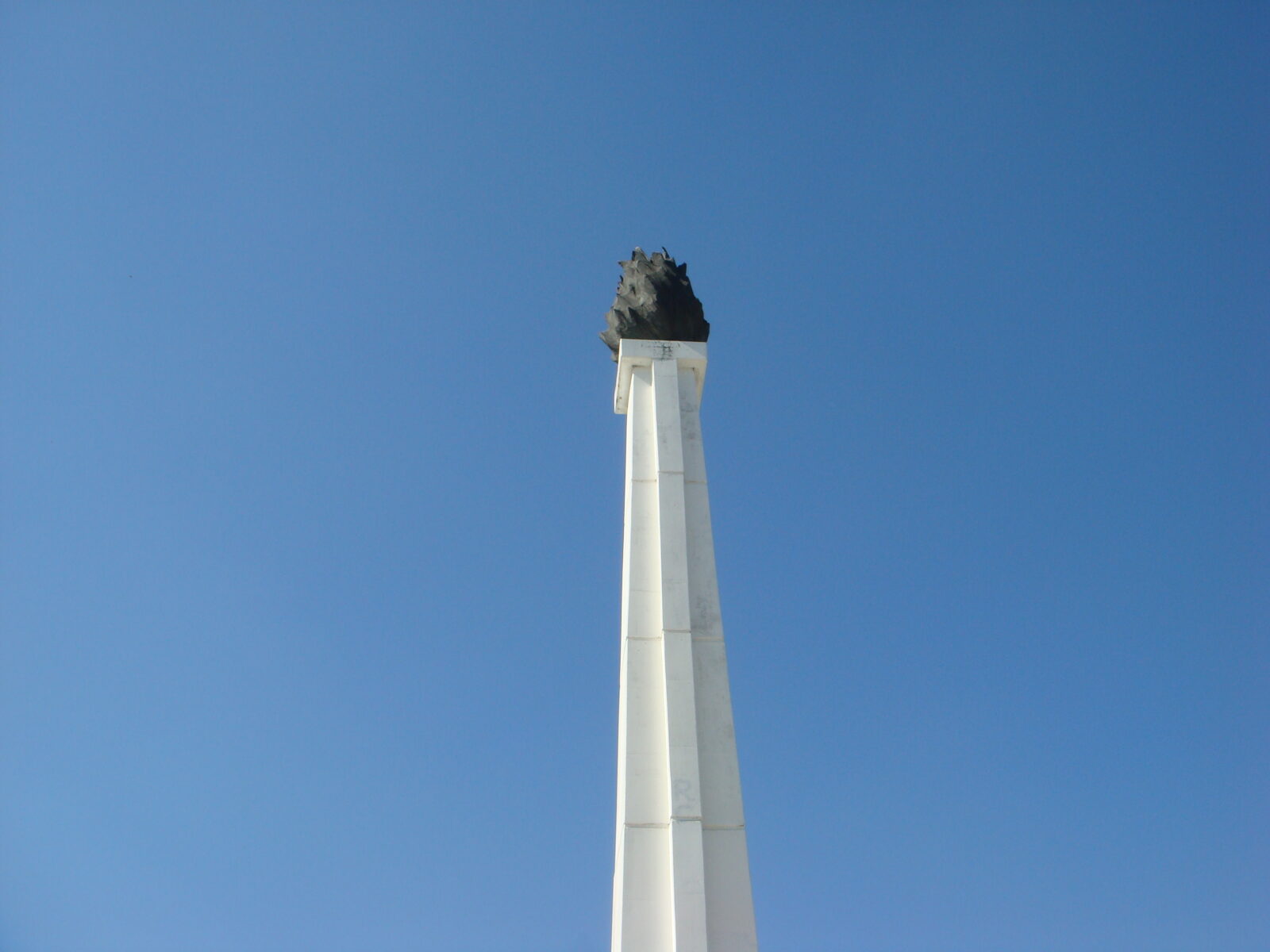
At Belgrade’s Eternal Flame monument, erected without permission to commemorate the NATO bombing, the boundary between official and unofficial memory becomes increasingly blurred. March 2026, Astrea Nikolovska
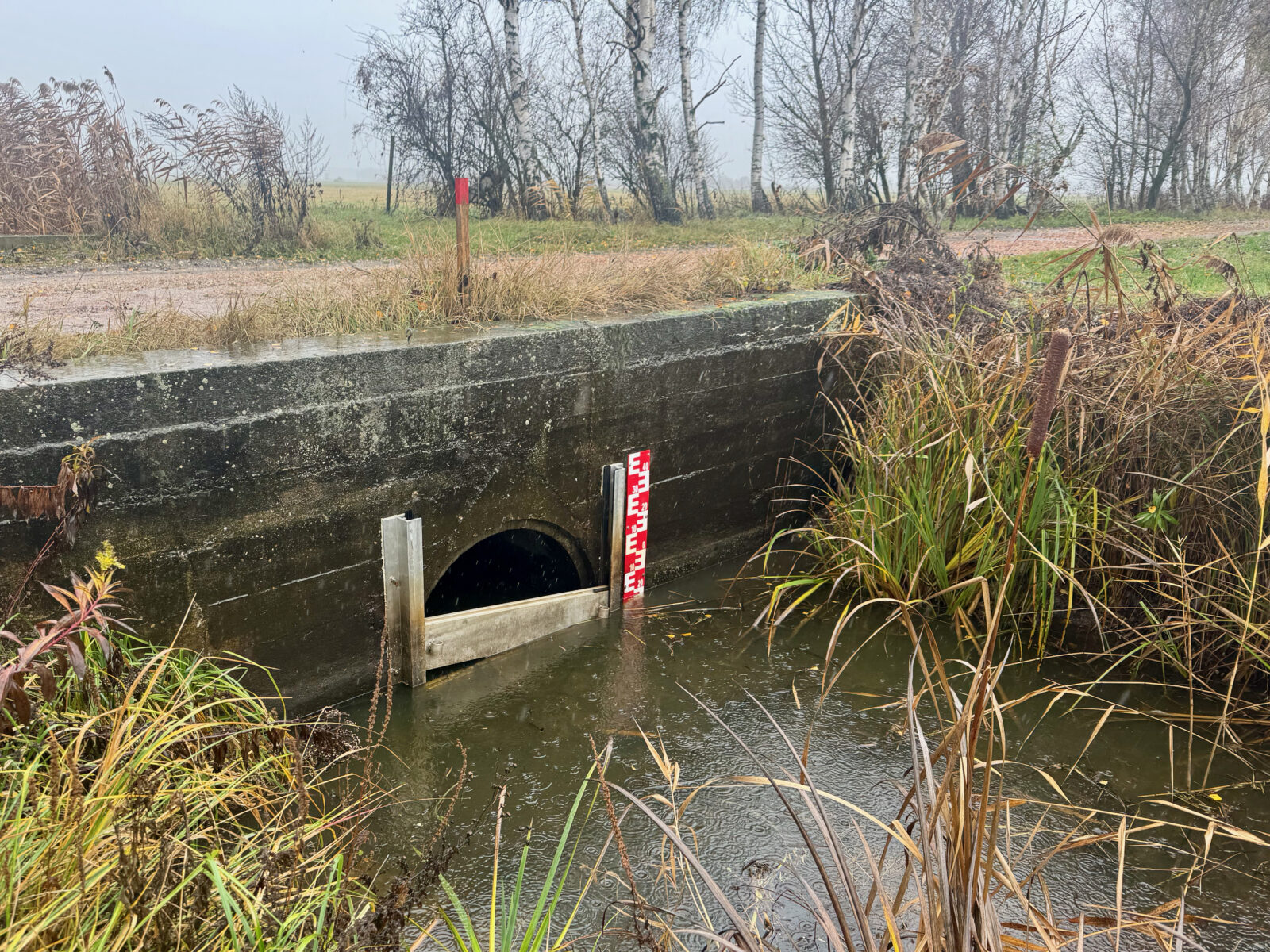
A provisional weir regulates water retention in drainage canals cut into the peatland decades ago. The water management authority of Burgenland sets the official levels. The slanted board suggests that not all those affected agree with the planned height of the water. November 2025, Franz Graf
Foiba di Vines was a place of summary executions of squadristi and people holding the fascist honour of the Sciarpa Littorio in 1943 in Istria. Now on private property, the cave is a contested site of memory where fascist and communist violence are revived, and political polarisations emerge. Fieldwork glimpse, January 2026, Laura Mafizzoli
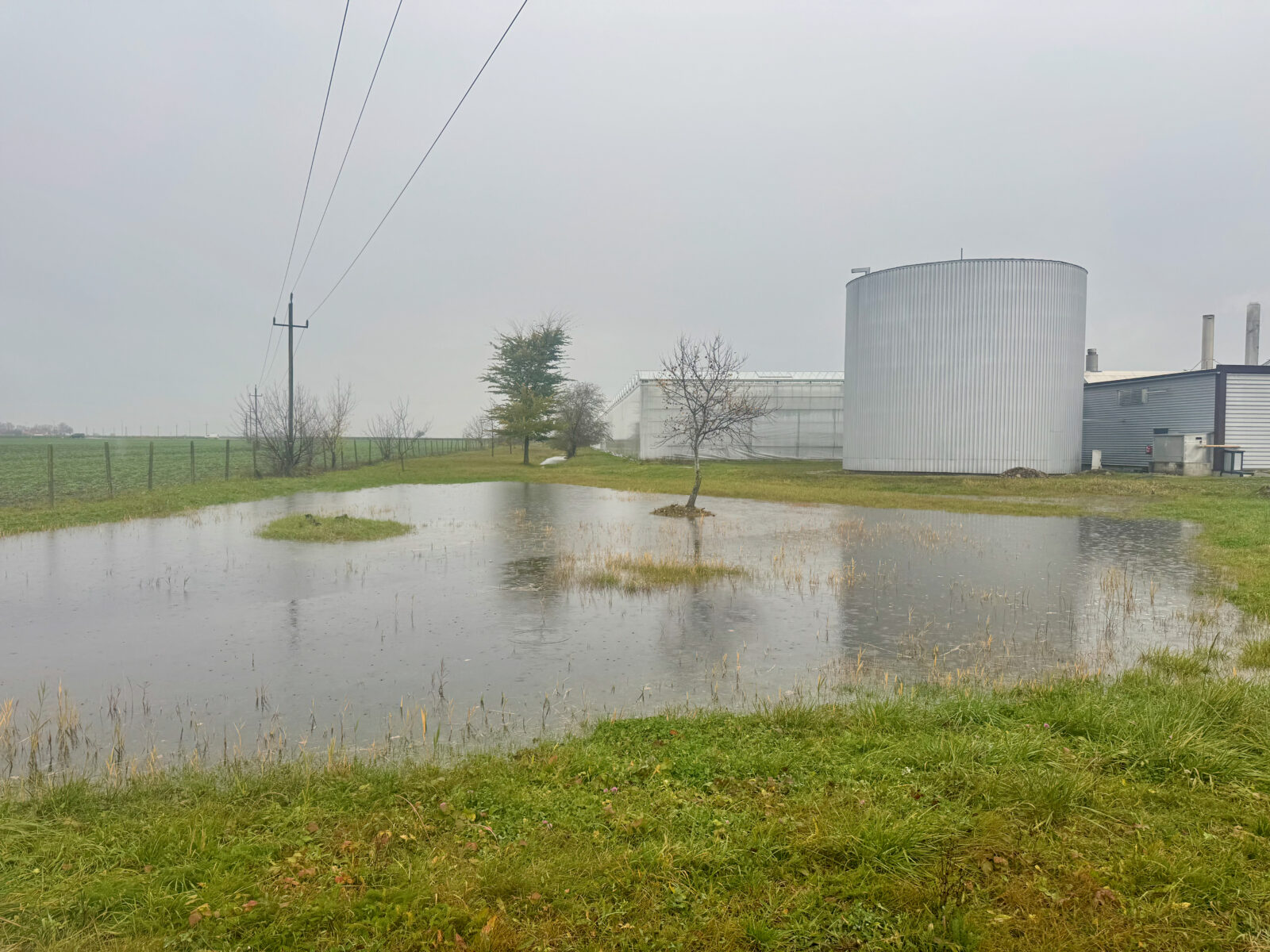
It does not take much rainfall for the peaty soil to recall its centuries-long character as a fen – much to the concern of some businesses operating in these wetlands along the Austrian–Hungarian border. Fieldwork Glimpse, November 2025, Franz Graf
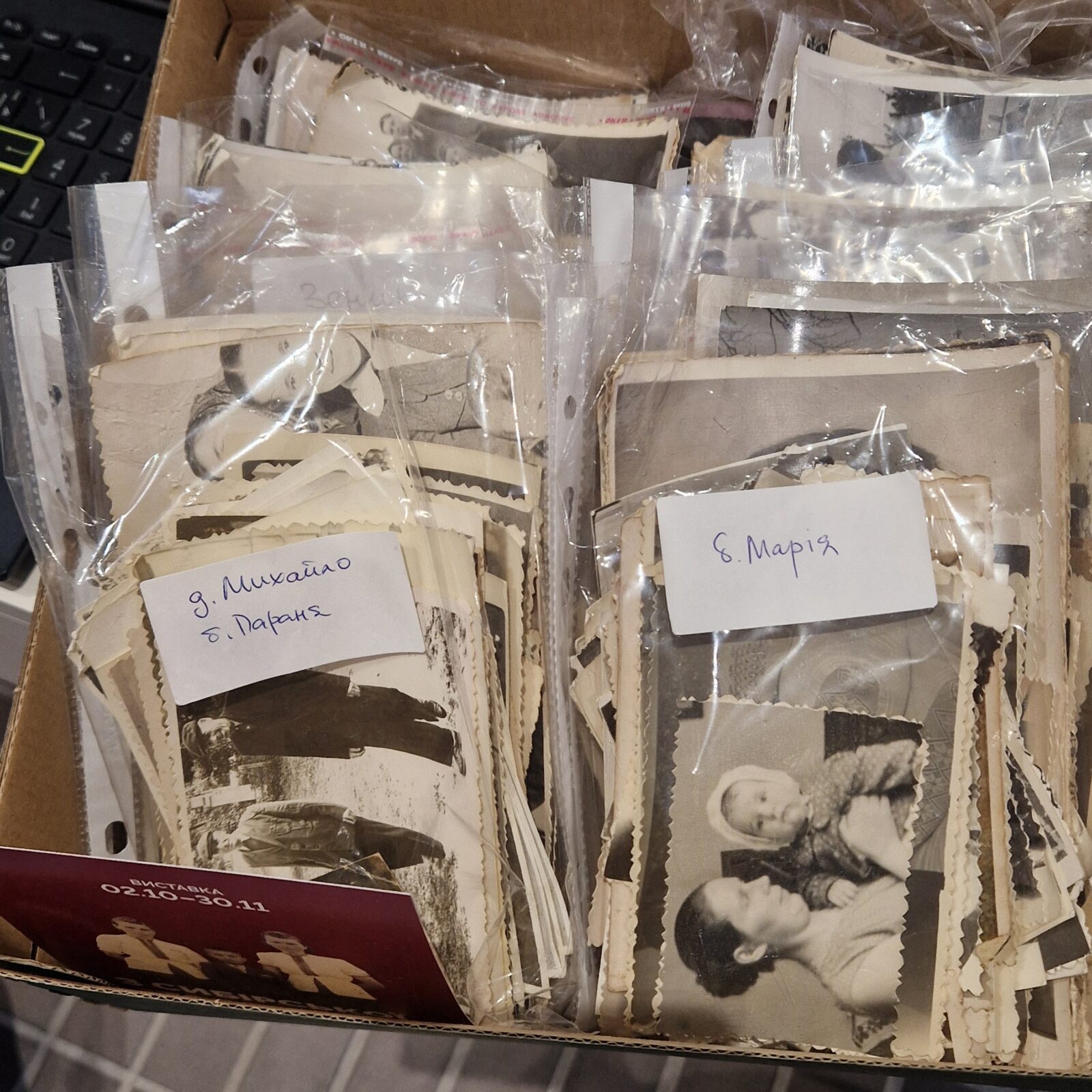
Vernacular photographs of a Ukrainian family, collected by the After Silence NGO in Lviv. In October 2025, when I visited, the temporary exhibition they curated narrated Soviet state violence through this family history, paired with workshops that helped locals search for repressed relatives in the archives. October 2025, Diána Vonnák.
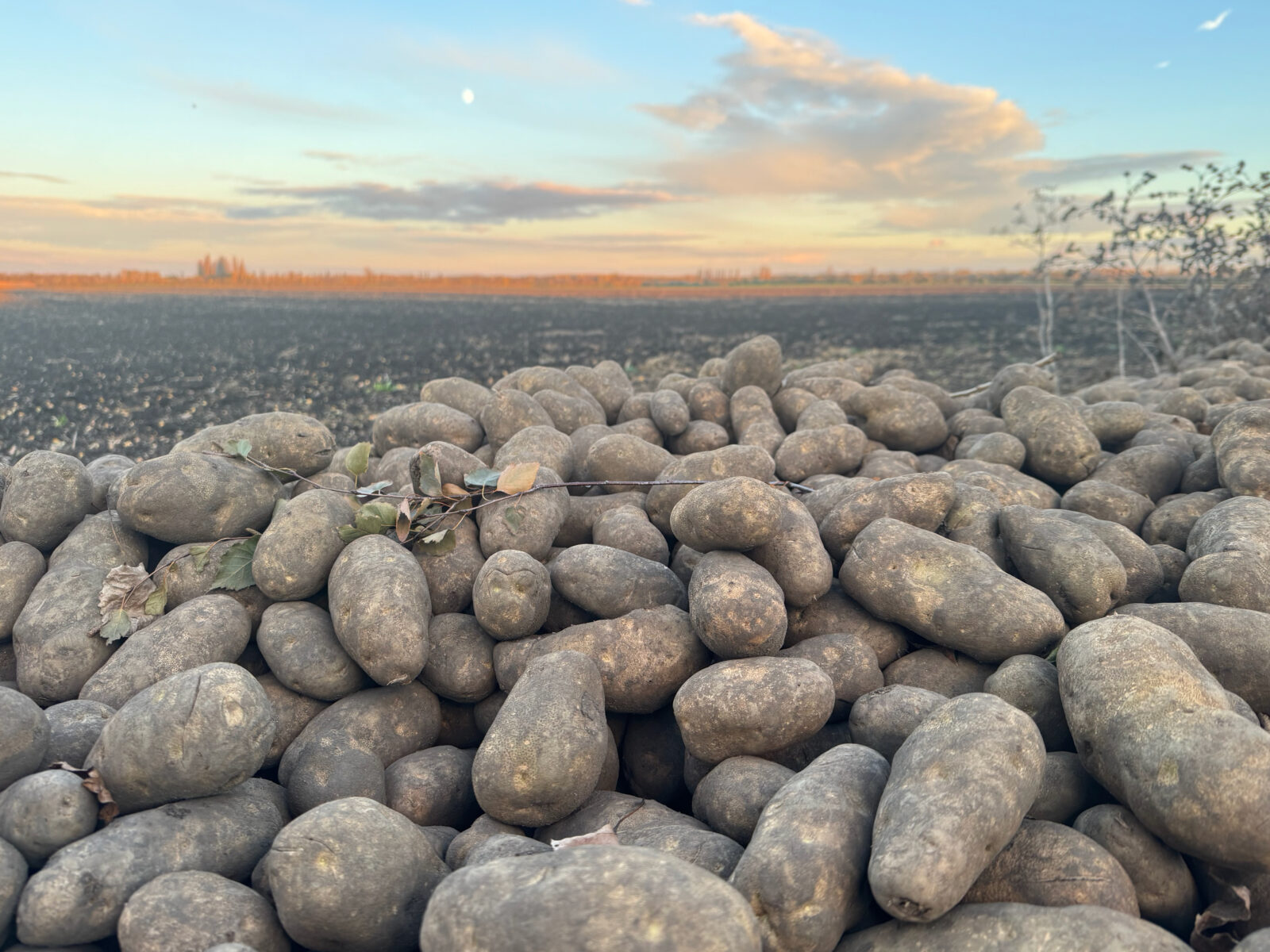
In the Hanság, heaps of EU-subsidised potatoes destined for McDonald’s lie piled on the once-wet peatland. Farmers explain that transporting them to alternative buyers would not be economically viable. Meanwhile, political actors publicly celebrate the expansion of potato cultivation across Austria. November 2025, Franz Graf
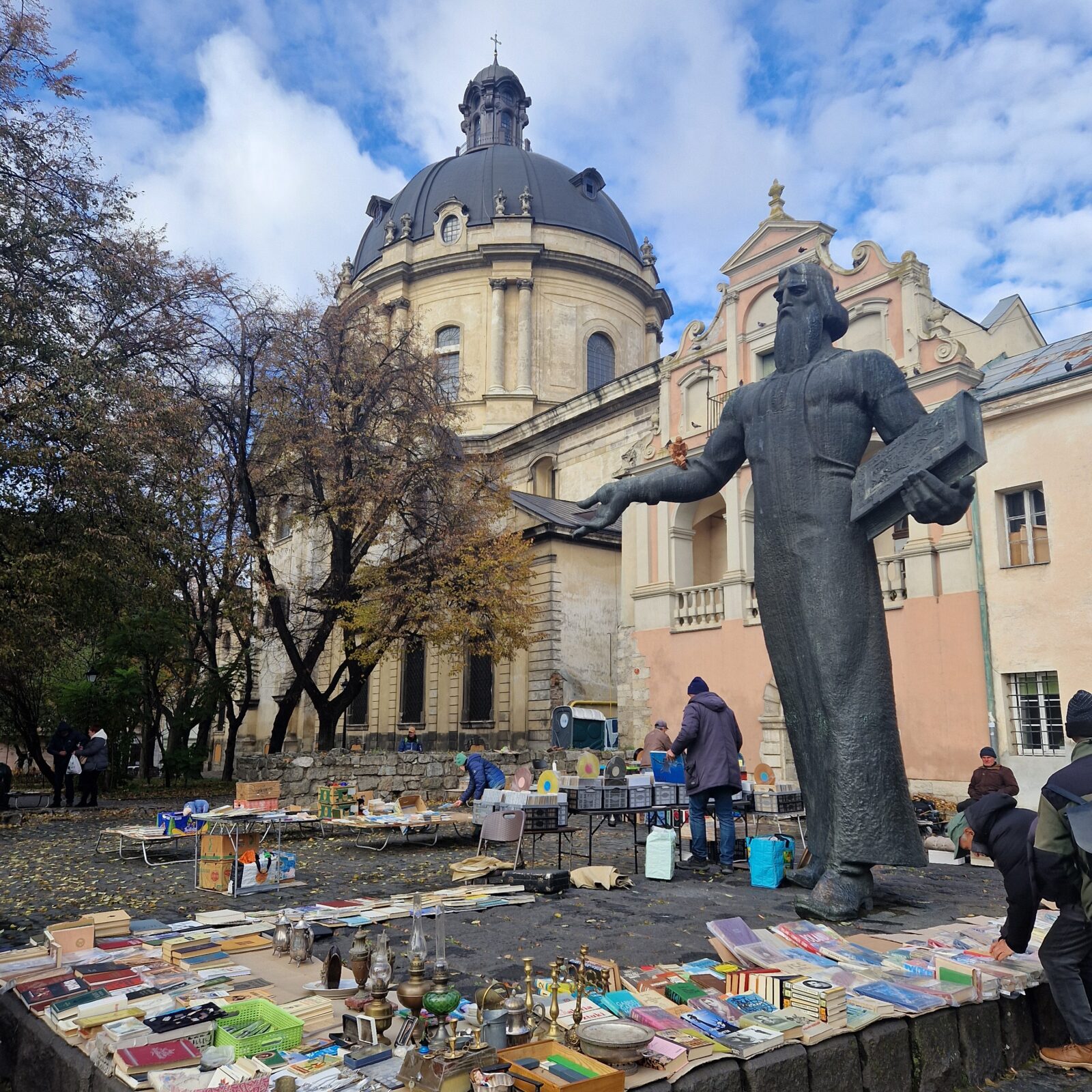
Lviv’s Fedorov Square book market is iconic for its offering of second-hand books and trinkets such as old coins, medals, and pins. As decommunization laws were expanded to include anything that promotes the USSR in a new framework of state-led decolonisation, sellers have come under scrutiny and mundane items of the Soviet era all but disappeared. Fieldwork glimpse, October 2025, Diána Vonnák.
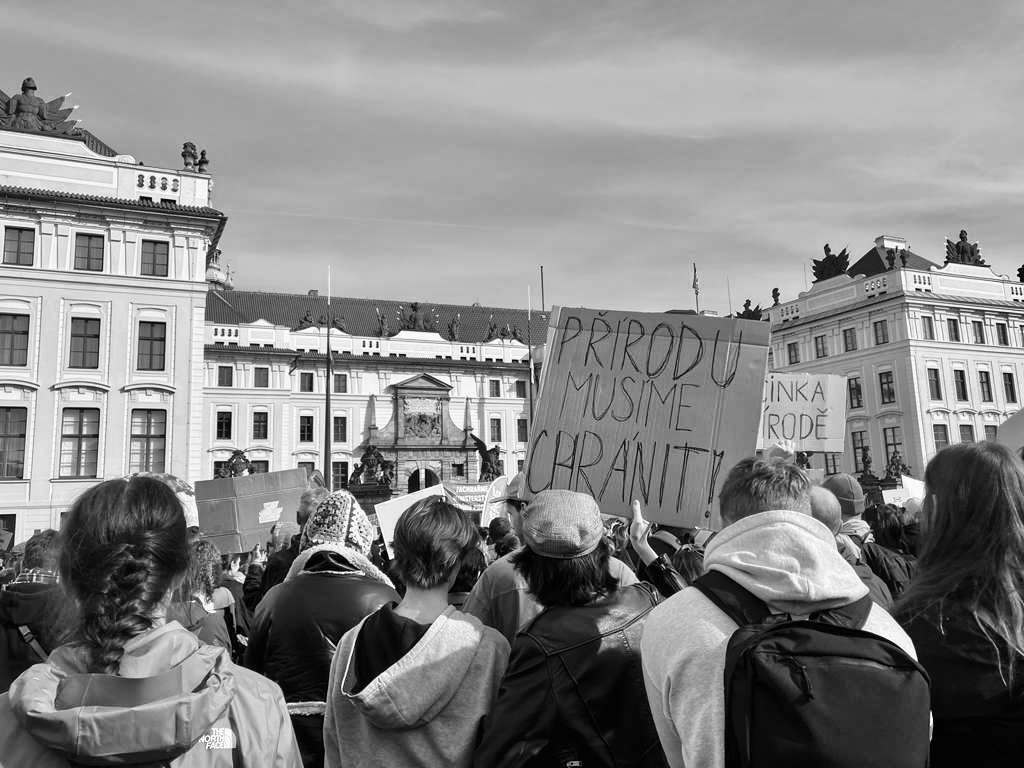
Thousands filled the square before Prague Castle on October 19, 2025, protesting the appointment of Petr Macinka (Motoristé sobě) as Minister of the Environment. The crowd - scientists, NGOs, and citizens alike - stood united against a nominee who has denied human-caused climate change and threatened to “shed green blood” if in office. Johana Wyss
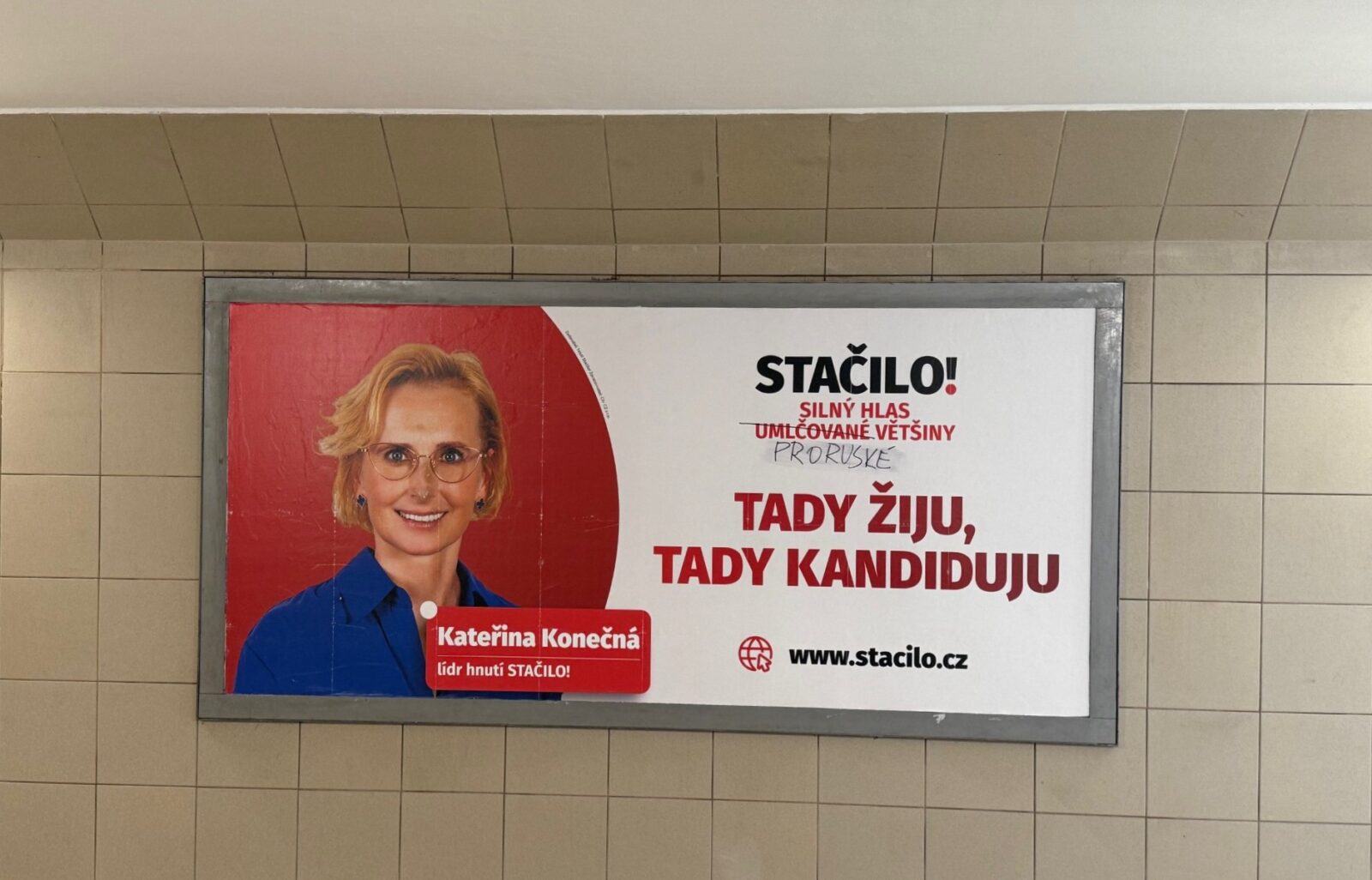
Ostrava station. A Czech parliamentary election poster reads: “A strong voice of the silenced majority.” Someone crossed out “silenced” and wrote “pro-Russian” instead. Politics rewritten by hand. Fieldwork Glimpse, October 2025, Johana Wyss
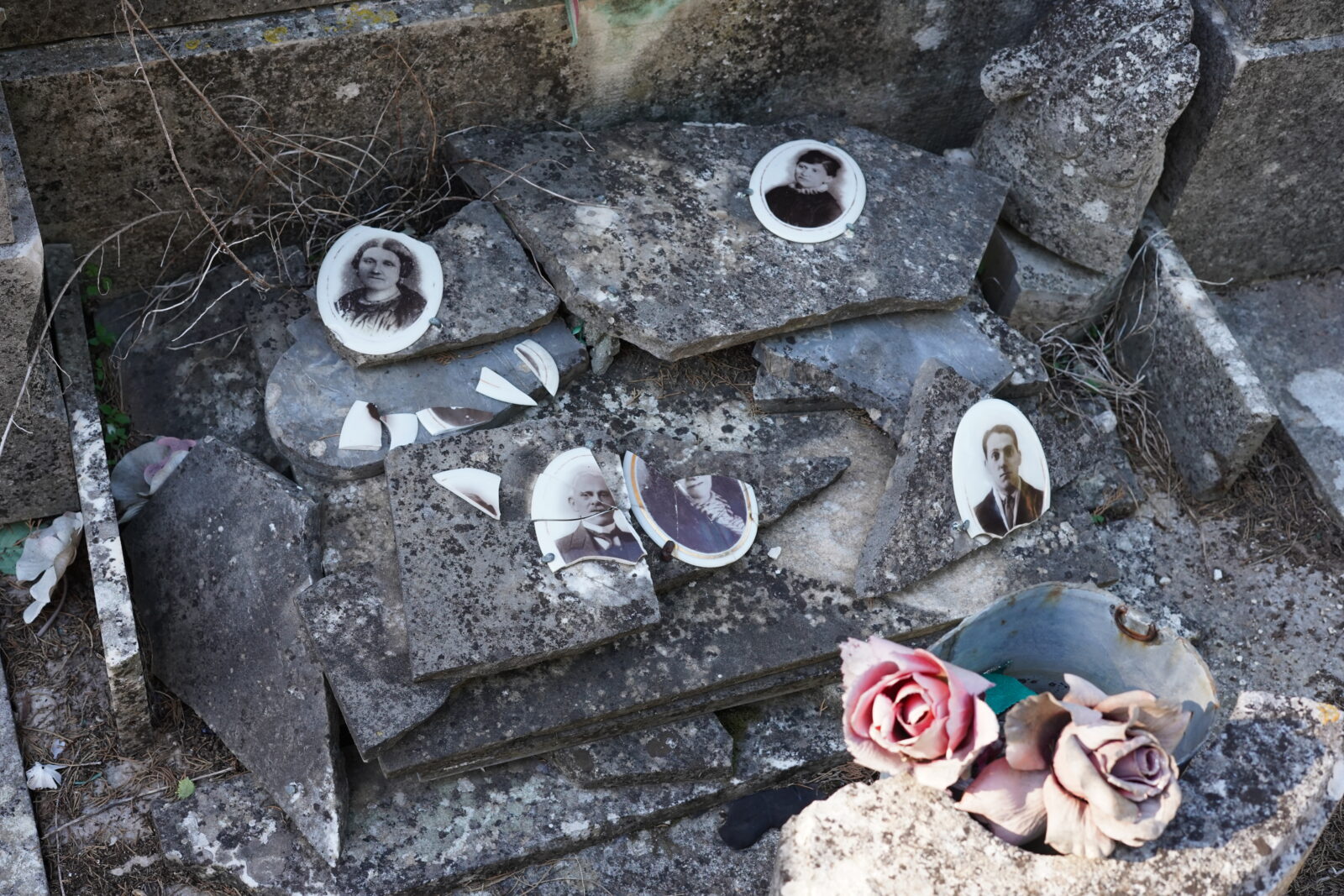
In the MonteGiro cemetery in Pula, Istria, many tombs belonging to the Italian community have been abandoned and left in ruins. The municipality of Pula is attempting to trace the descendants of these families in order to update and regulate the records associated with the graves. Fieldwork glimpse, September 2025, Laura Mafizzoli
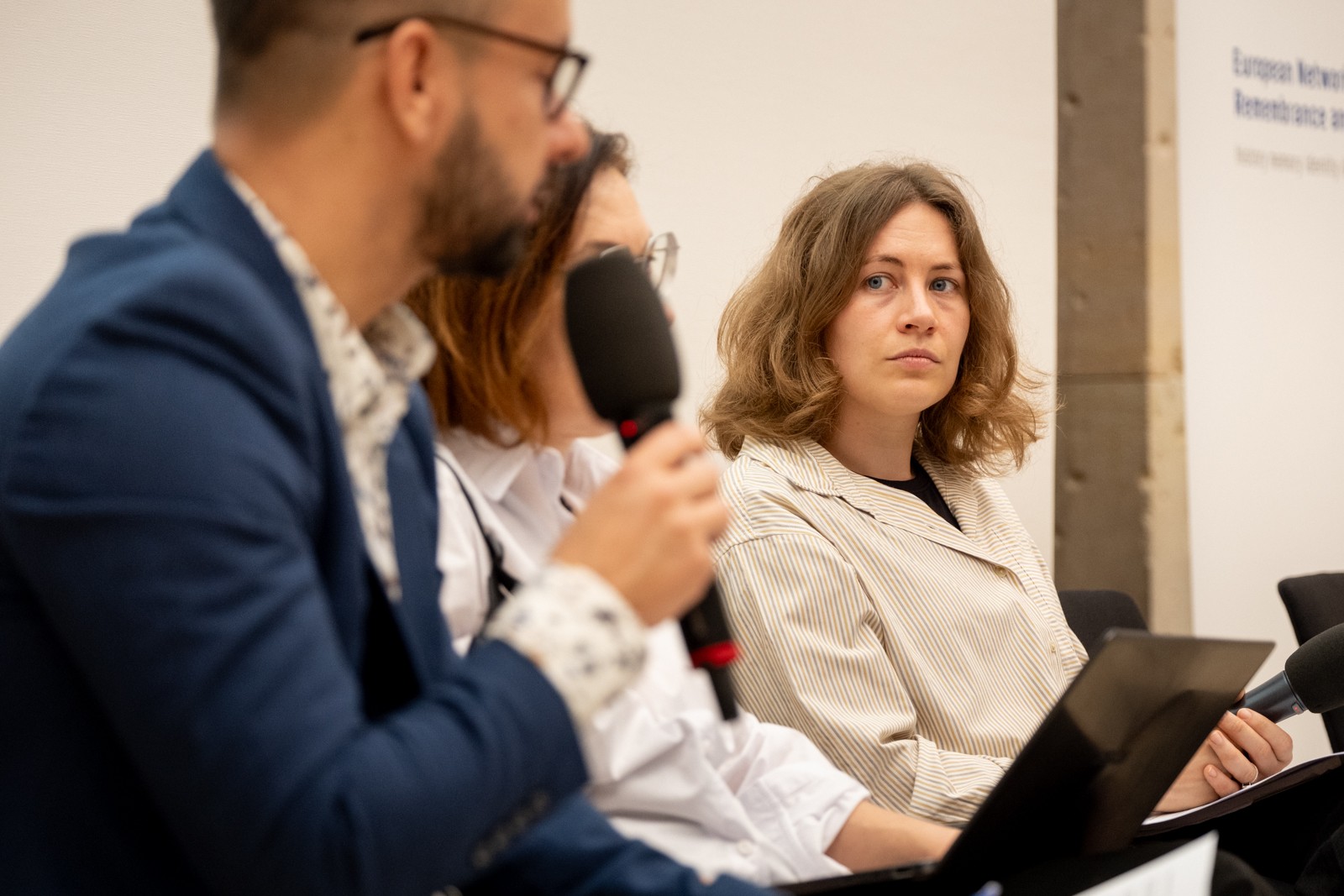
Diána Vonnák presents at the Genealogies of Memory 2025 conference in Berlin, organised by the European Network of Remembrance and Solidarity at the Berlin Brandenburg Academy. The roundtable focused on the curation of stolen and endangered heritage in Ukraine. Photo credits: Jan Prosiński / ENRS
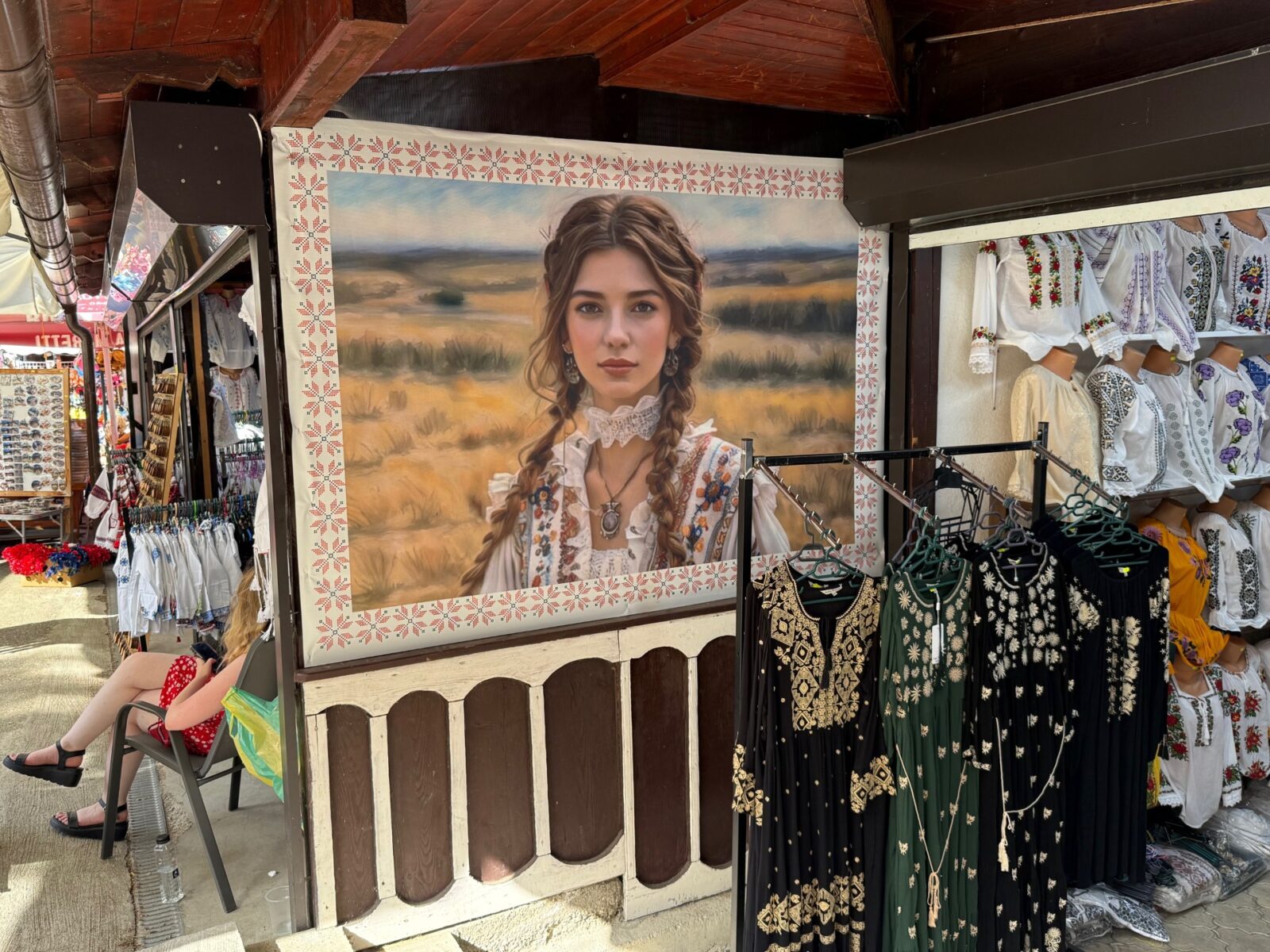
At a folk market in Bukovina, an image depicts a fair-skinned, ash-blond woman with features evoking an idealised “German” beauty. This romanticised, sanitised vision of rural femininity situates the region within a post-Habsburg cultural imaginary, masking its multiethnic past behind a tourist-friendly heritage. Fieldwork glimpse, July 2025, Johana Wyss visiting Ioana Brunet
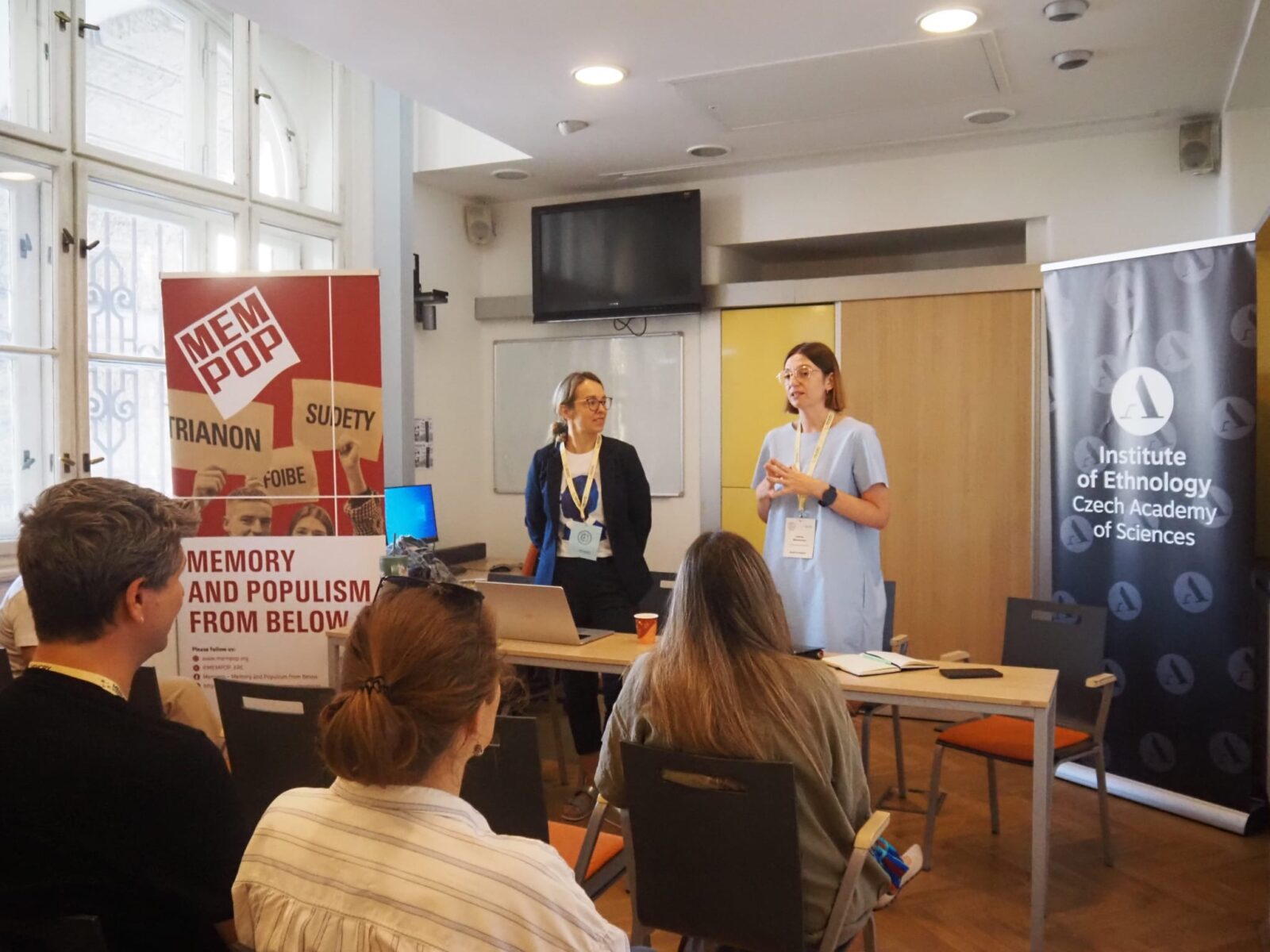
On July 14, 2025, the Memory and Populism Working Group, co-chaired by Astrea Nikolovska and Johana Wyss, met in person at the MSA Conference in Prague. The group offers an inclusive, international space for exploring memory and populism globally. More info: https://www.memorystudiesassociation.org/non-members-groups/
Foibe are geological caves, karst sinkholes with elongated cavities and steep, vertical walls. Inside, limestone rocks are eroded by water. This is a stalactite with the reflection of torchlight, giving the foiba a galactic dimension, not only one associated with death and murder. Fieldwork glimpse, July 2025, Laura Mafizzoli
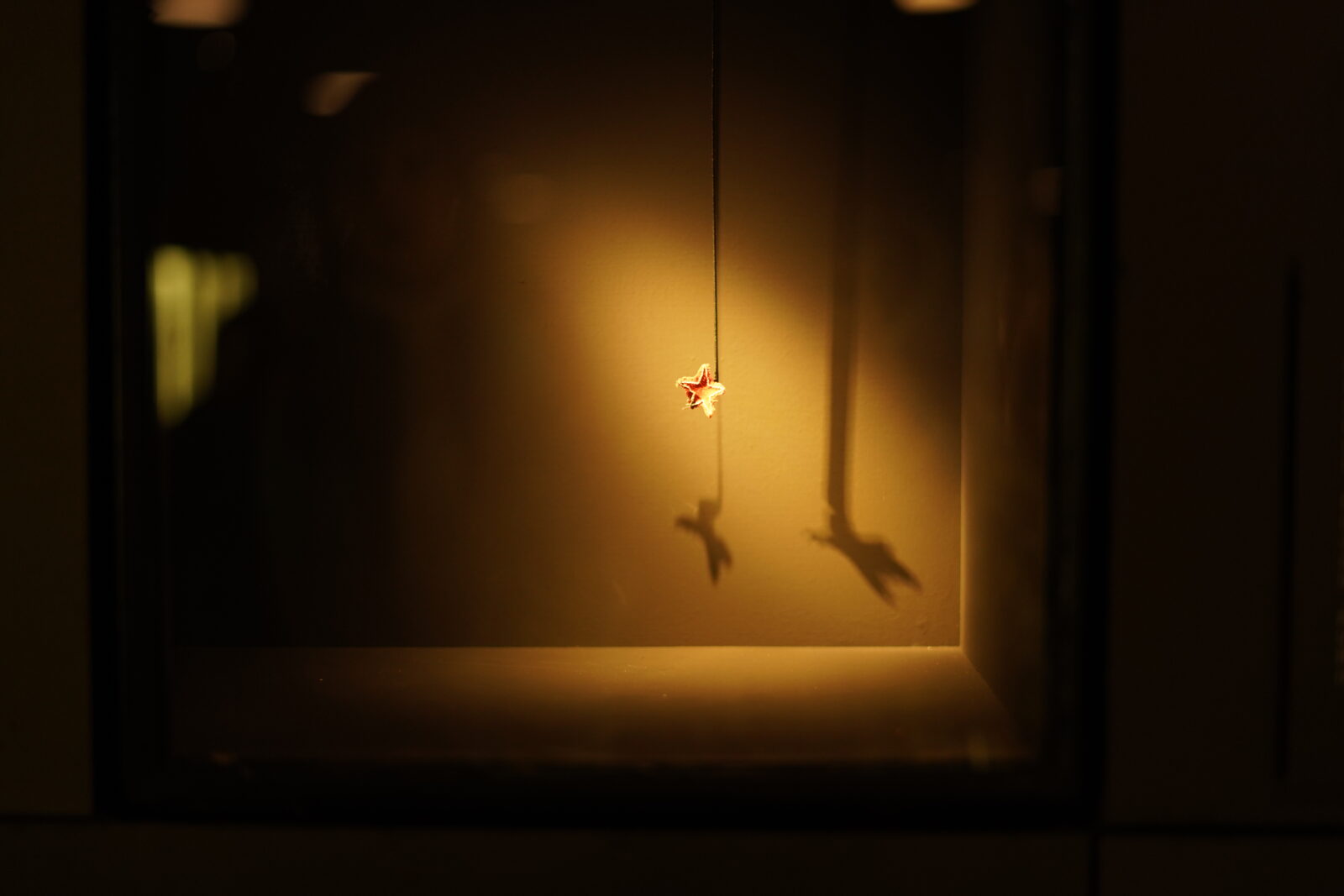
The Ricemill of San Sabba in Trieste was the only Nazi lager in Italy with a working crematorium, active until 29 April 1945. It was used not only for the extermination of Jews but also of Slovenians, Croats, political opponents, and partisans. This red star, a symbol of the Partisans, was found in one of the cells and is now exhibited in the museum. Fieldwork glimpse, June 2025, Laura Mafizzoli
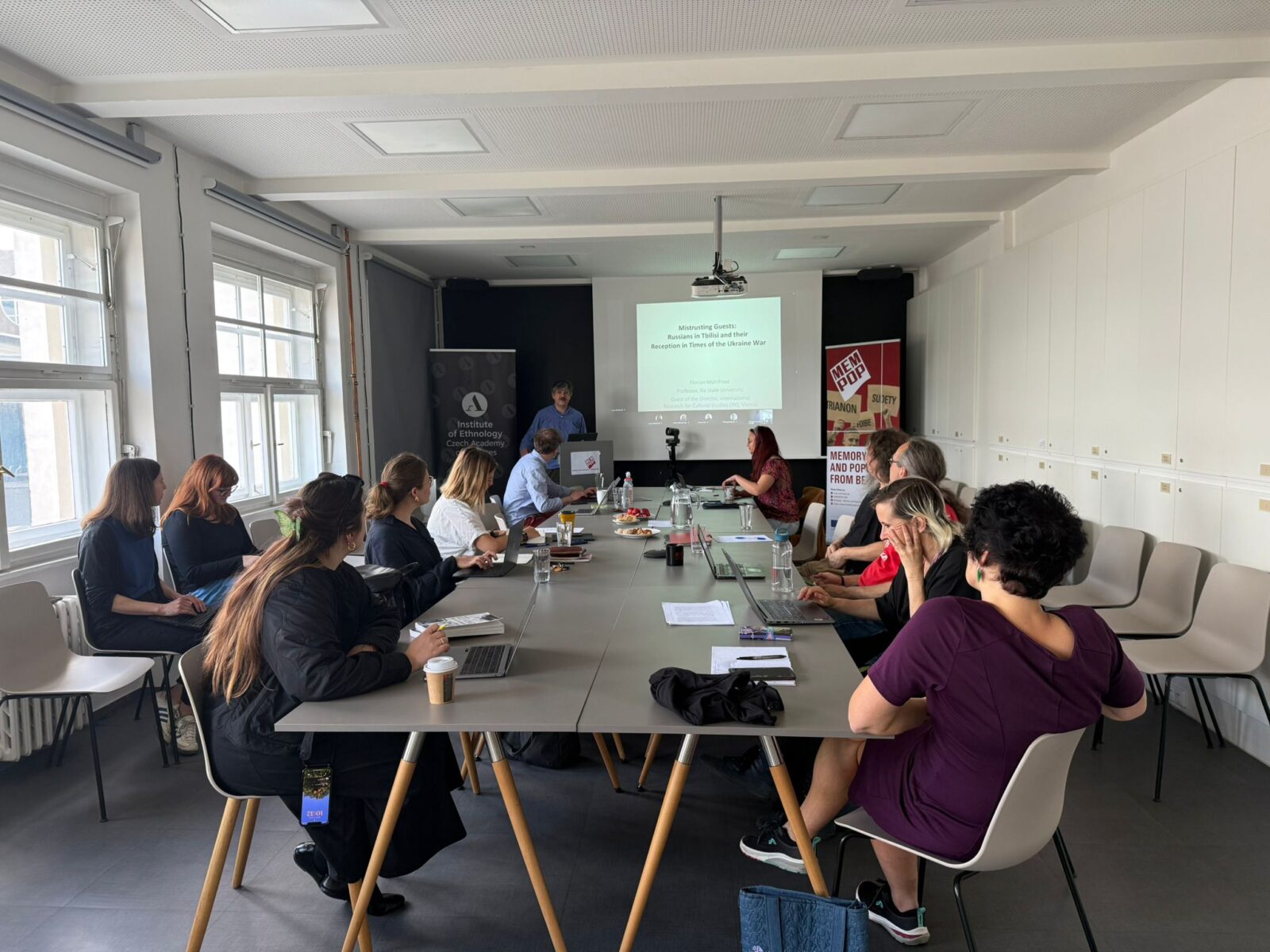
On the 11th of June 2025, Prof. Florian Mühlfried gave a masterclass about mistrust and also a guest lecture titled 'Mistrusting Guests: Russians in Tbilisi and their Reception in Times of the Ukraine War’. The talk addressed how mistrusting Russian migrants in Tbilisi yet treating them according to the code of hospitality is a way of reasserting sovereignty in a situation of subliminal hostility.
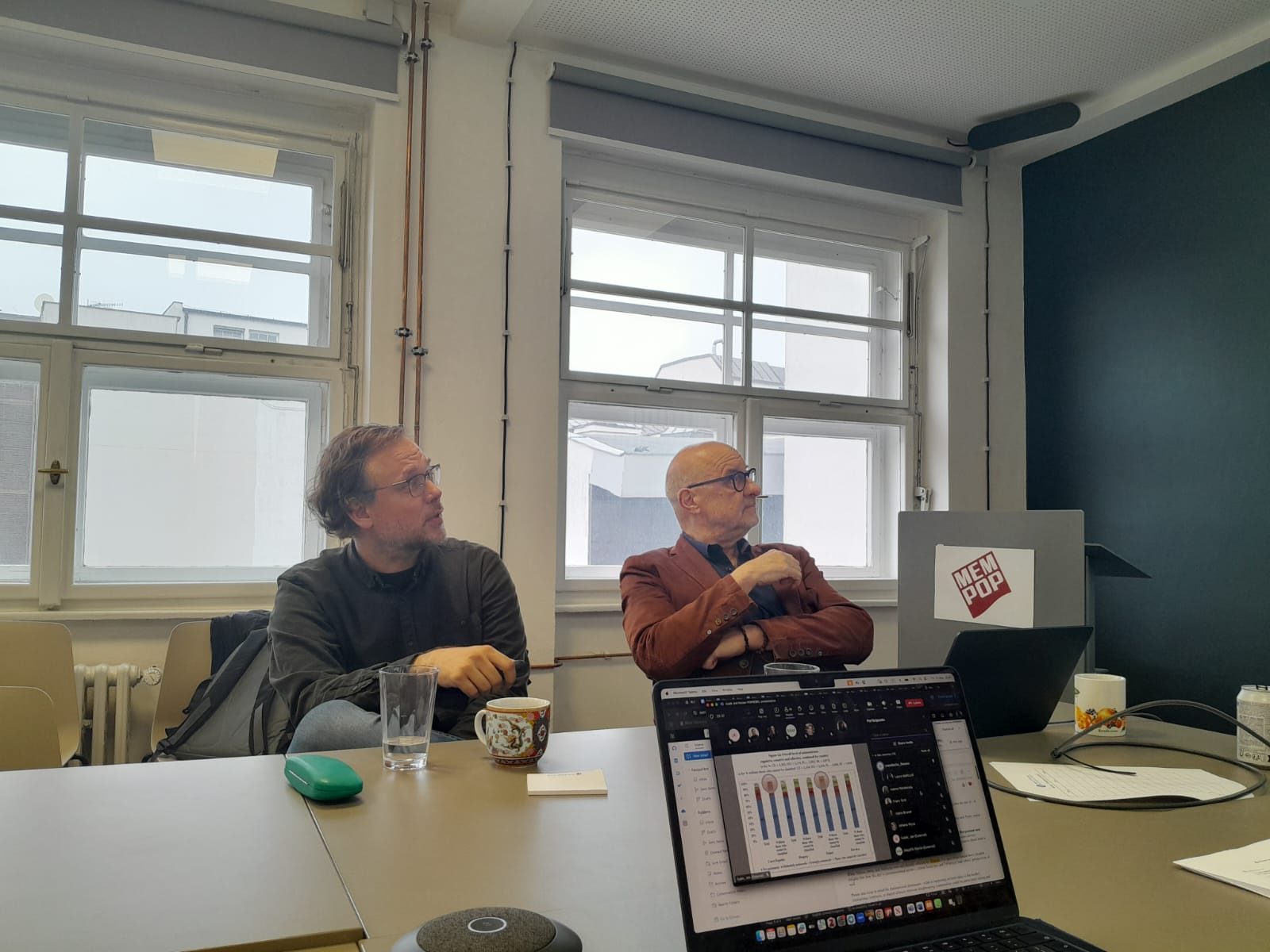
On the 22nd of May 2025, Prof. Jan Kubik and Dr. Jiří Kocián presented their multidisciplinary study of right-wing populism in East Central Europe. The talk focused on the possibility of using the interpretive-structural coding and semantic network analysis of ethnographic data to construct a robust ontology of everyday meaning-making categories.
On the 7th of May 2025, Prof. Jan Kubik gave a masterclass to the MEMPOP team, sharing valuable insights from the Horizon 2020 project POPREBEL. The masterclass was followed by an insightful discussion on the theoretical and methodological approaches to populism.
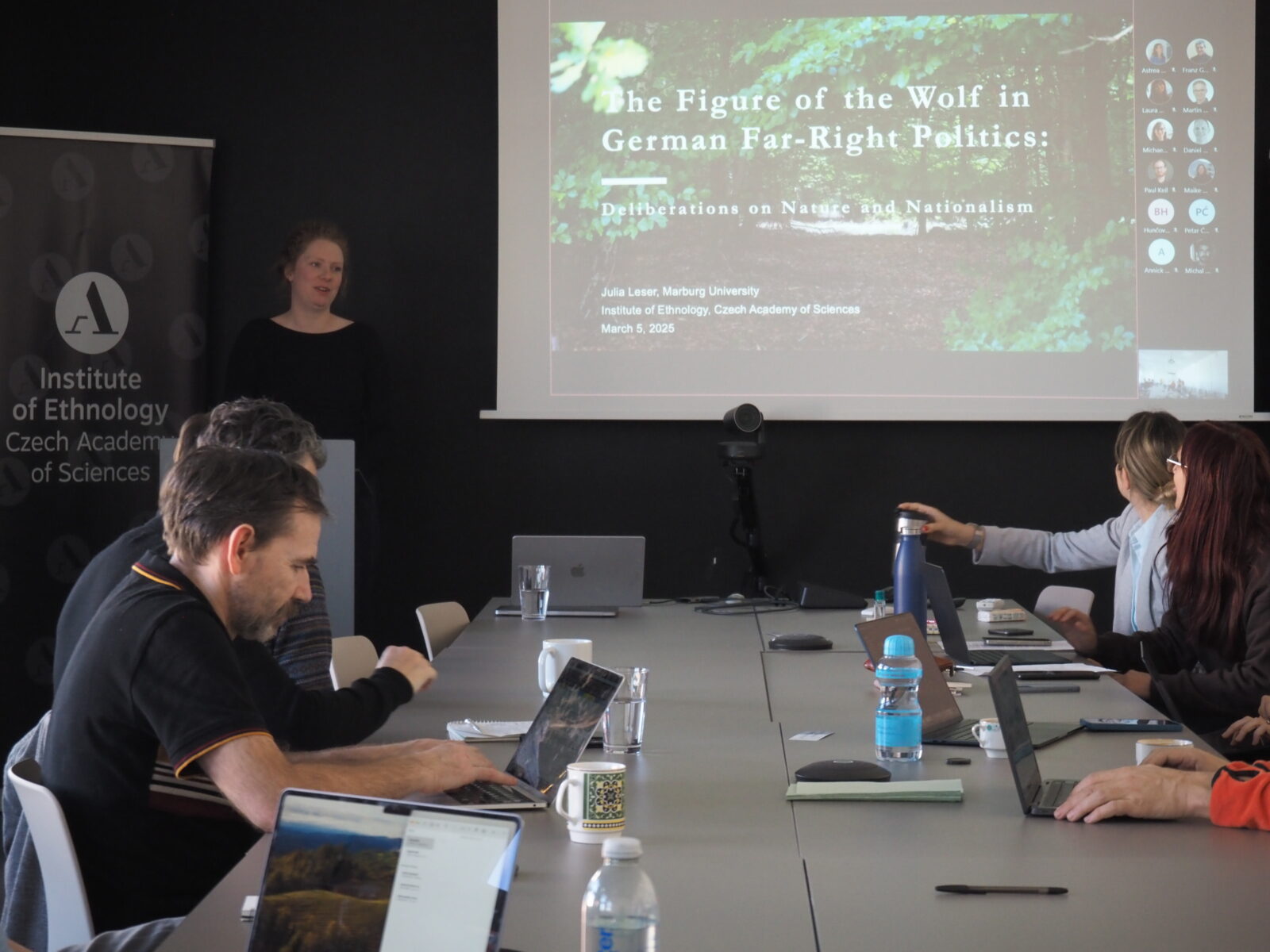
Dr Julia Leser, in her lecture titled "The Figure of the Wolf in German Far-Right Politics: Deliberations on Nature and Nationalism," showed how the far right’s rhetoric on wolves reflects deeper entanglements of ecological transformation, territorial entitlement, and exclusionary identity politics. March 5, 2025
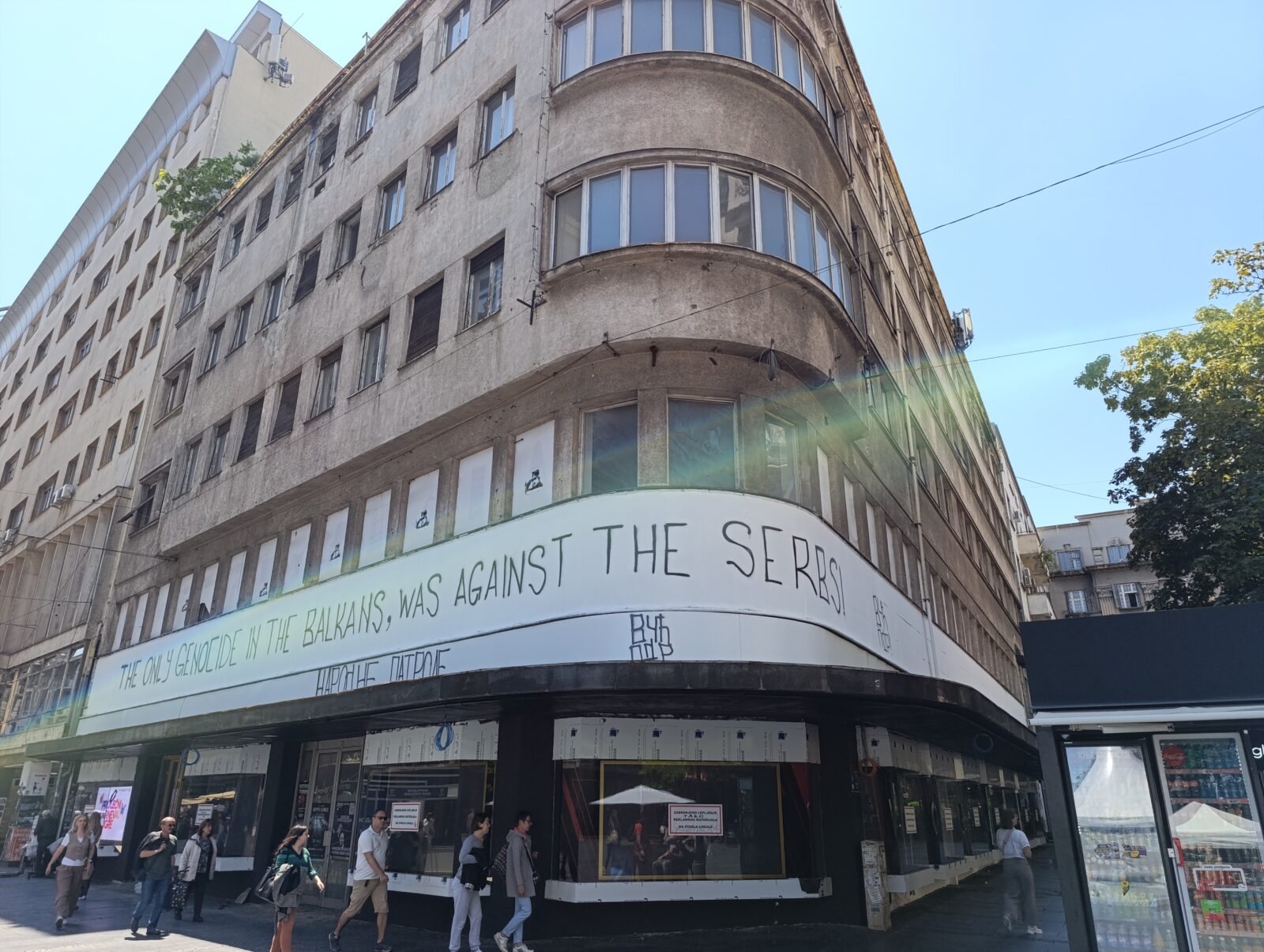
This graffiti in central Belgrade expresses a grassroot, populist, counter-memory. Its persistence reveals how the state selectively legitimizes certain narratives—what stays on a public wall reflects what power is willing to endorse. Fieldwork glimpse, May 2025, Astrea Nikolovska
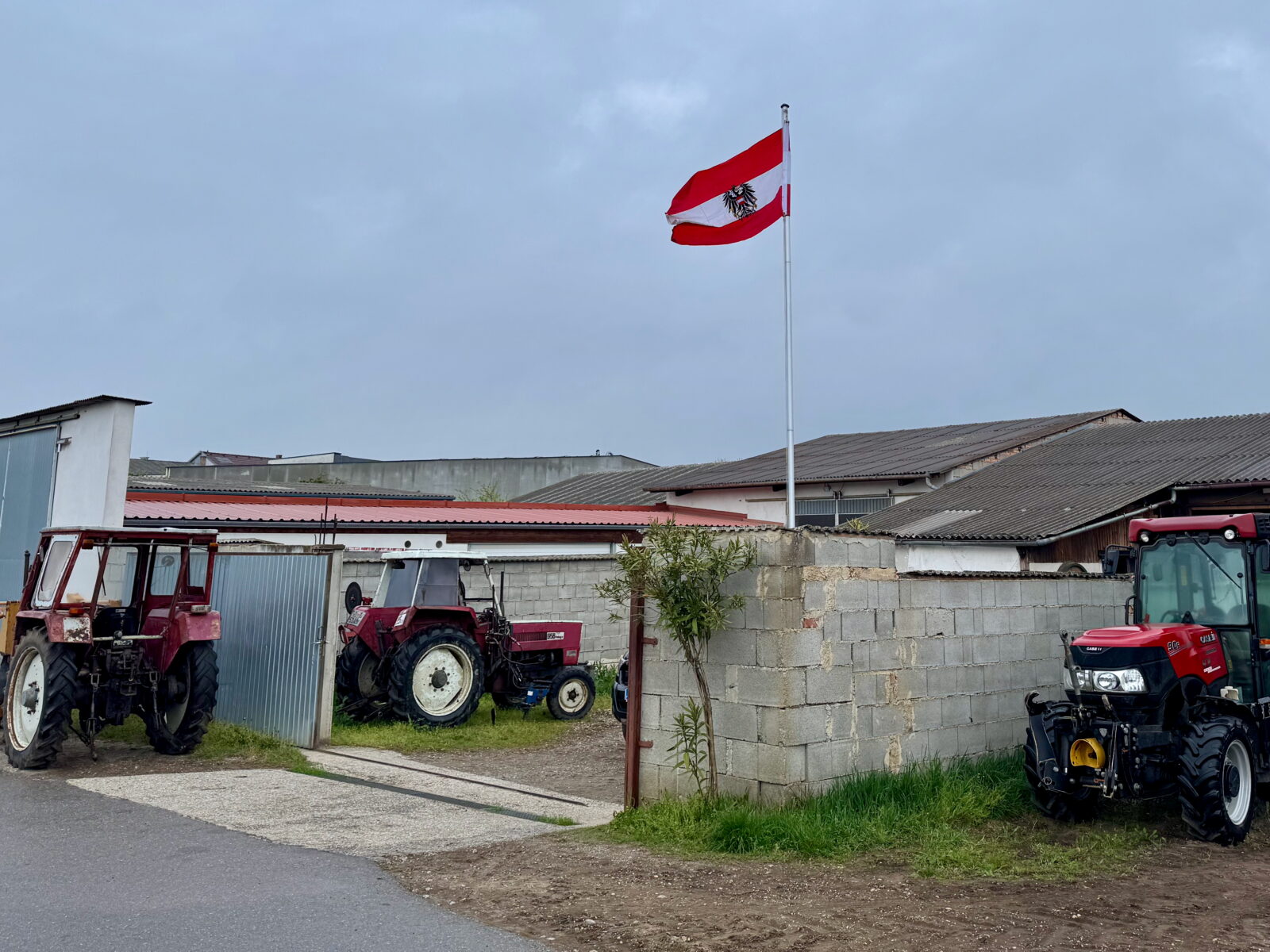
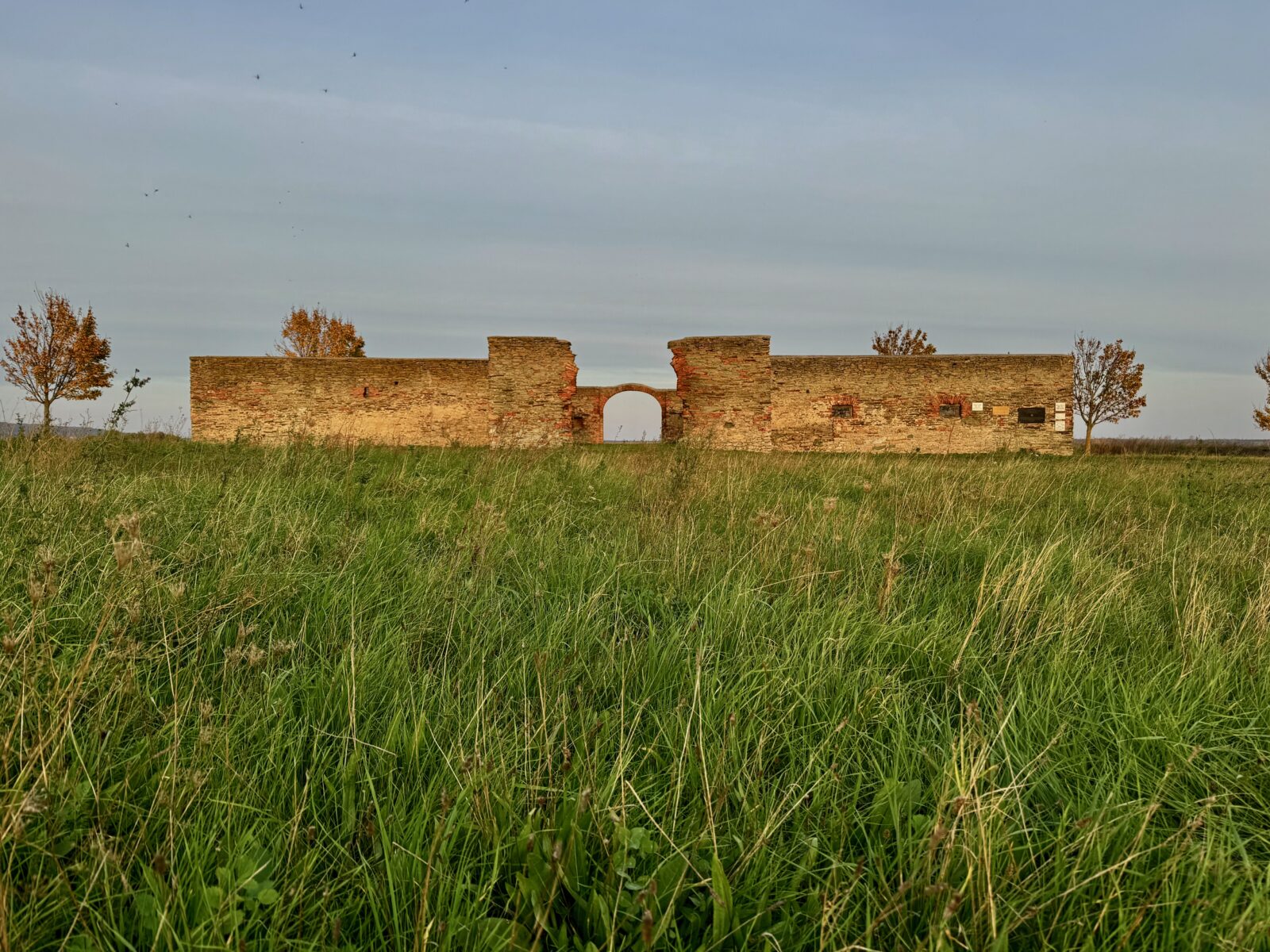
Burgenland’s creation and the Austro-Hungarian border demarcation were also responses to Vienna’s post-WWI food crisis; agricultural production still shapes identities and belonging, echoed sometimes in contested national symbols. Fieldwork Glimpse, May 2025, Franz Graf
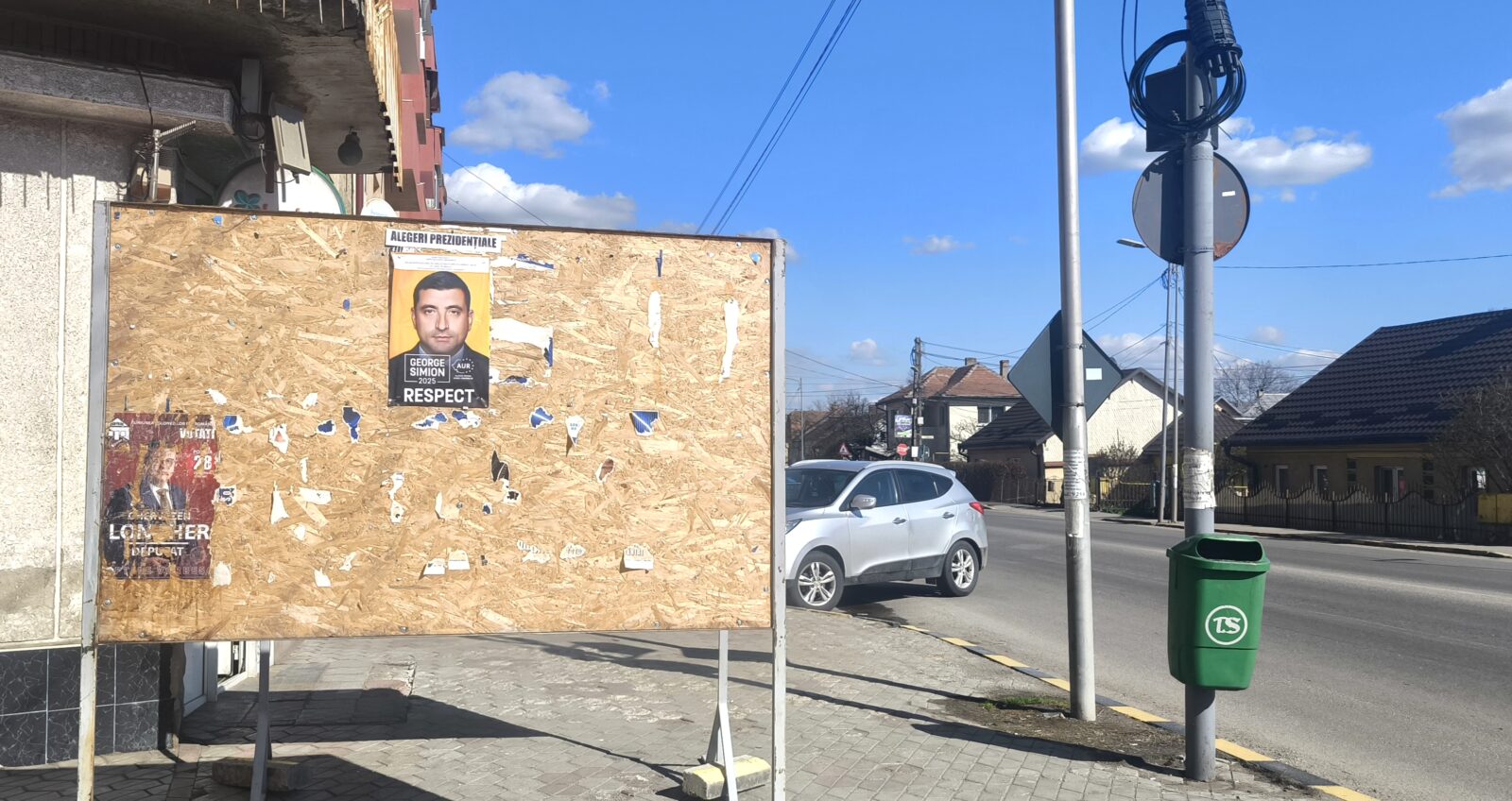
Exactly one month before the May 4 vote, in the small town of Gura Humorului, only George Simion’s “Respect” poster was on the board. His early, unchallenged presence on the ground outweighed his absence from televised debates and interviews. Fieldwork Glimpse, May 2025, Ioana Brunet
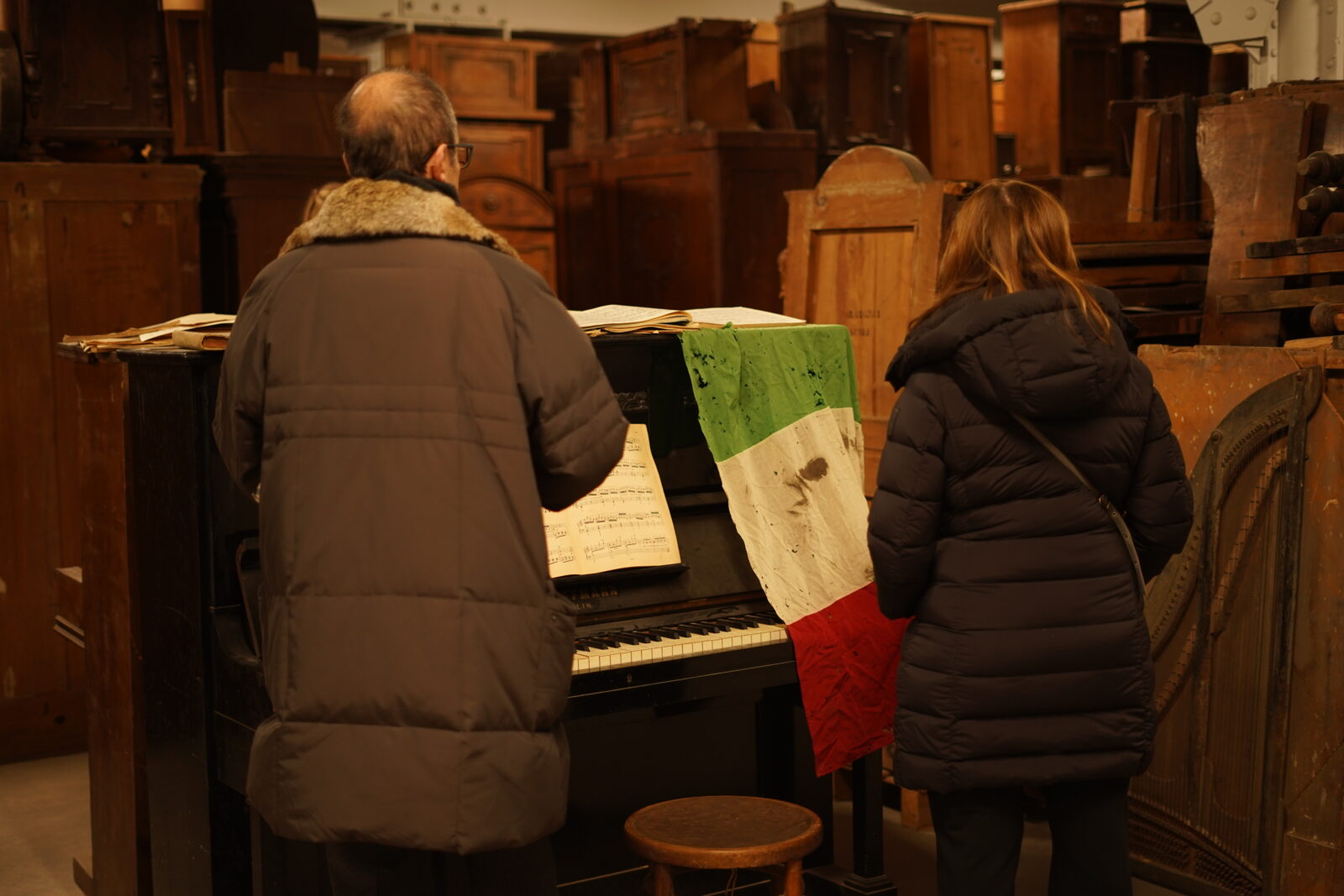
In Trieste, stored in a warehouse called Magazzino 26 (previously Magazzino 18), are the masserizie: objects left behind by Italian exiles after WWII. Now part of a permanent exhibition by the IRCI, they commemorate the exodus and the pain of leaving everything behind. Fieldwork Glimpse, April 2025, Laura Mafizzoli
In search of the 'Gasthaus zum Loblersee,' a lost place along the Hanság fen’s drainage canal. The lake and inn, once on the Austria–Hungary border, have vanished from the landscape – but not from memory. Fieldwork Glimpse, April 2025, Franz Graf
Prof. Balázs Trencsényi presented his book "Intellectuals and the Crisis of Politics in the Interwar Period and Beyond: A Transnational History" which focuses on the historical roots of neoliberalism and populism, offering an innovative analysis of the roots of contemporary illiberalism in Europe. (March 2025)
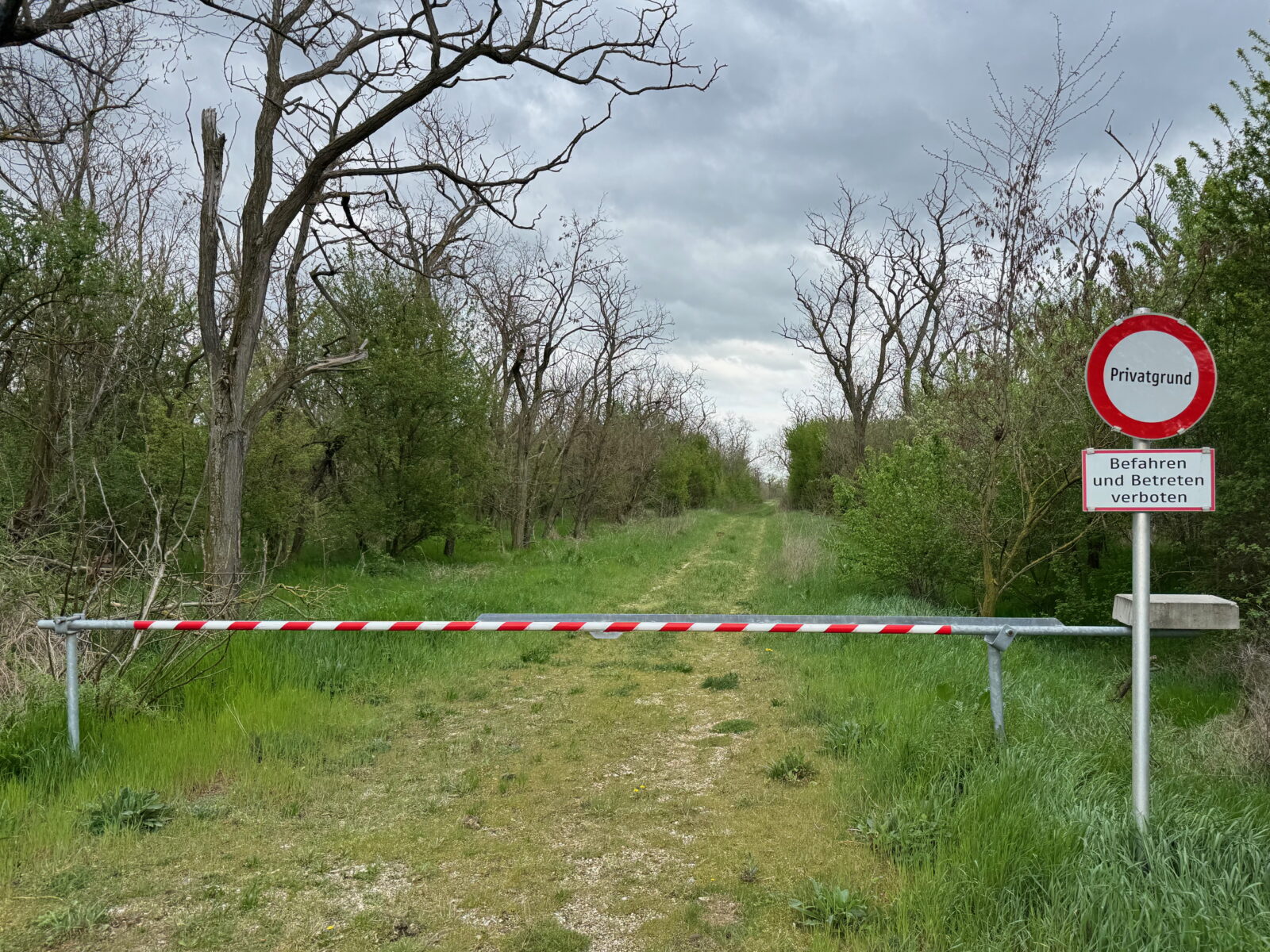
Collective memories of Burgenland’s aristocratic landowners re-emerge during visits to the Hanság landscape, revealing enduring spatial hierarchies. The Esterházy enterprises maintain control over access to their properties by obstructing public passage. Fieldwork Glimpse, March 2025, Franz Graf
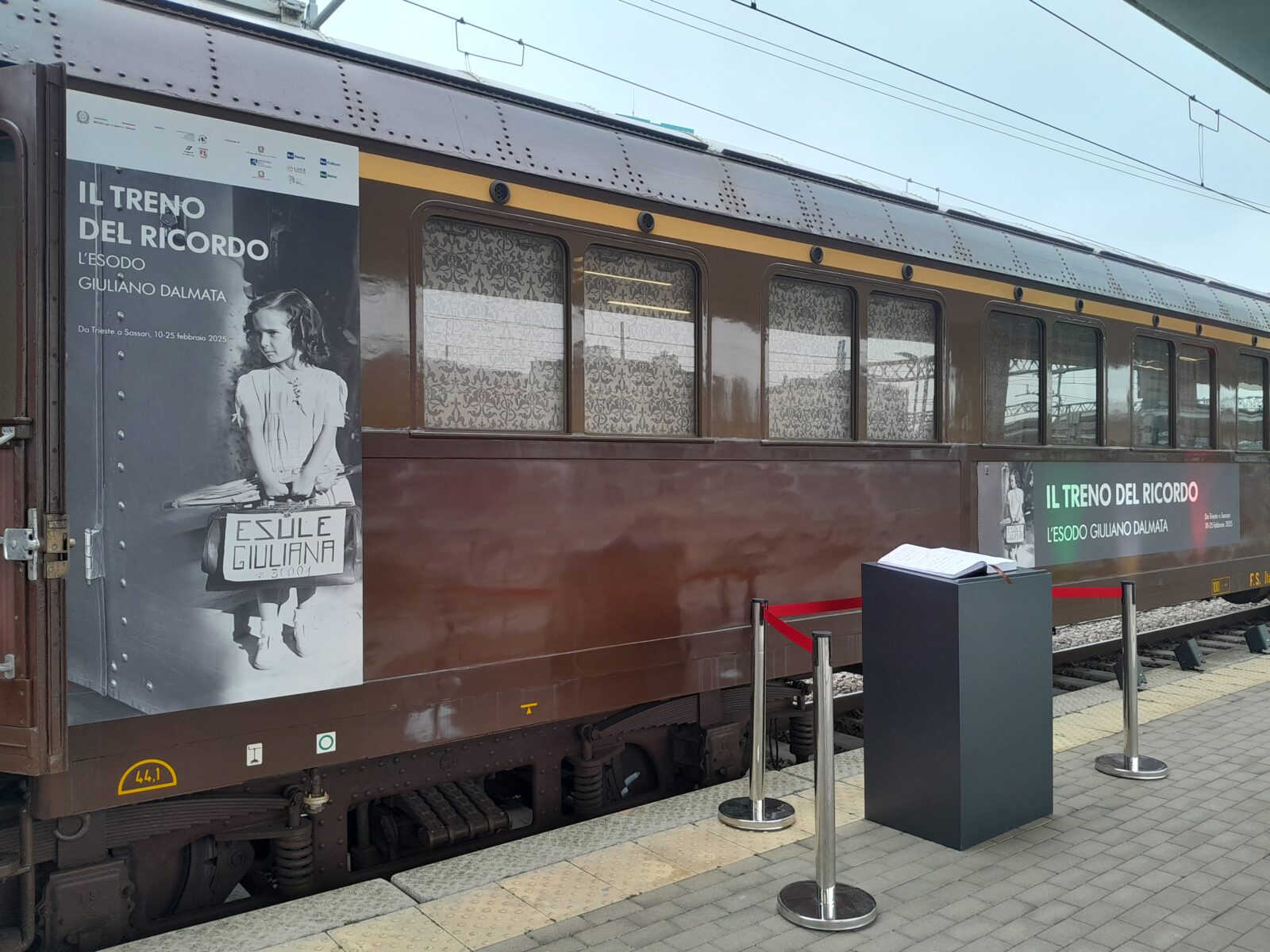
"Killed only because they were Italian" is a phrase in the Train of Remembrance, a mobile exhibition traveling from Trieste to Sassari, that frames the Foibe and the Italian exodus as acts of ethnic cleansing. Fieldwork Glimpse, (February 2025, Laura Mafizzoli)
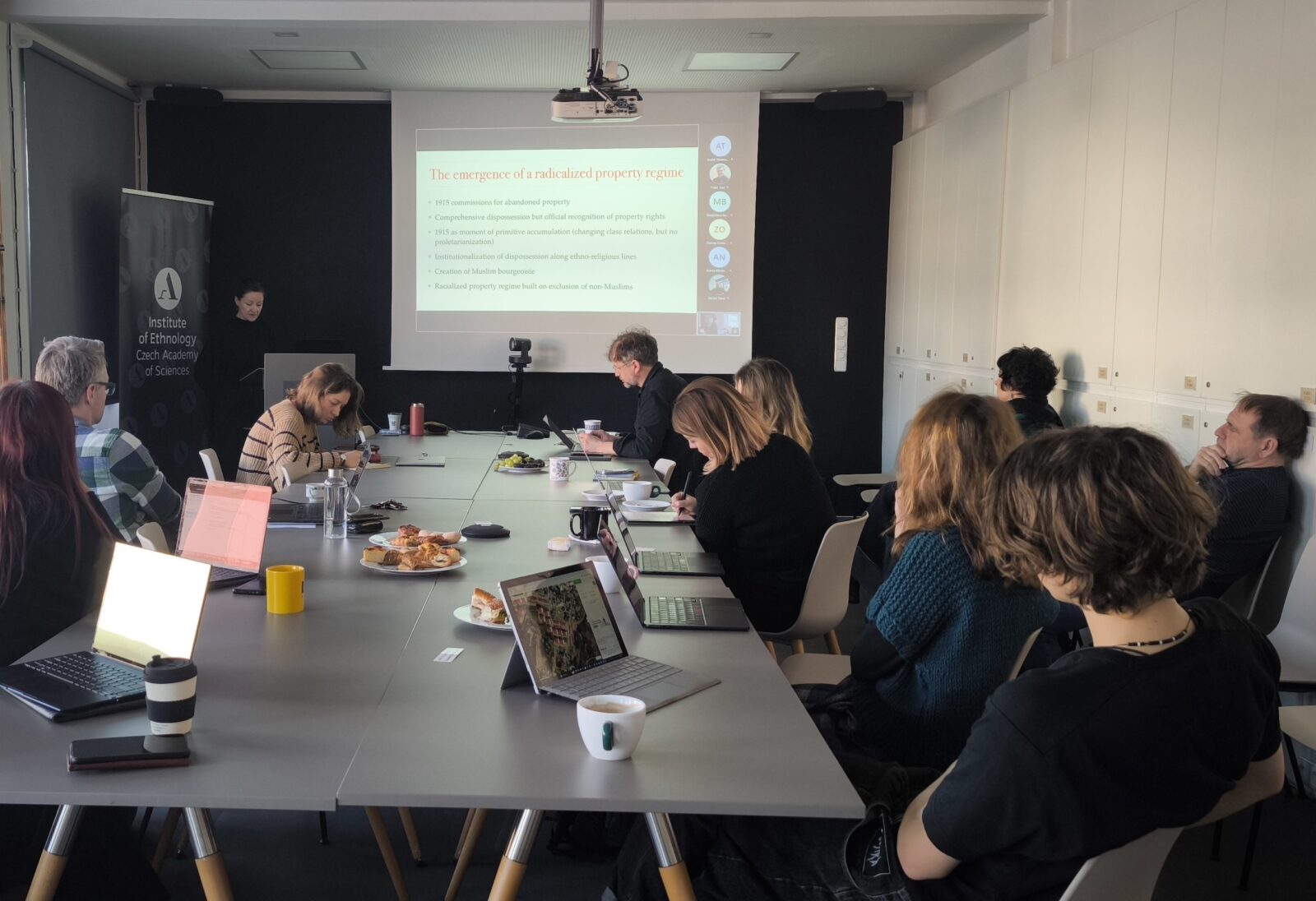
Professor Alice von Bieberstein gave a seminar titled ‘Sovereign accumulation and the recursiveness of dispossession in post-genocide Turkey’, showing that the Armenian genocide was not only a project of mass murder and deportations but also a moment of primitive accumulation, laying the groundwork for a post-imperial national economy and fundamentally changing class relations. (February 2025)
35th Anniversary of the Velvet Revolution: According to a recent survey by CVVM, 75% of Czechs believe the societal changes of November 1989 were "worth it"—the highest approval since 1999. Yet, this optimism contrasts with rising populist and illiberal sentiments in Czech society. A paradox worth reflecting on. Fieldwork glimpse, November 2024, Johana Wyss
Uncanny fields: In Rechnitz, efforts by the local association RE.F.U.G.I.U.S. to find the remains of 180 Hungarian-Jewish forced laborers murdered on March 24–25, 1945, have been unsuccessful. The "Kreuzstadl" has become one of Burgenland’s most famous memorials (October 2024).
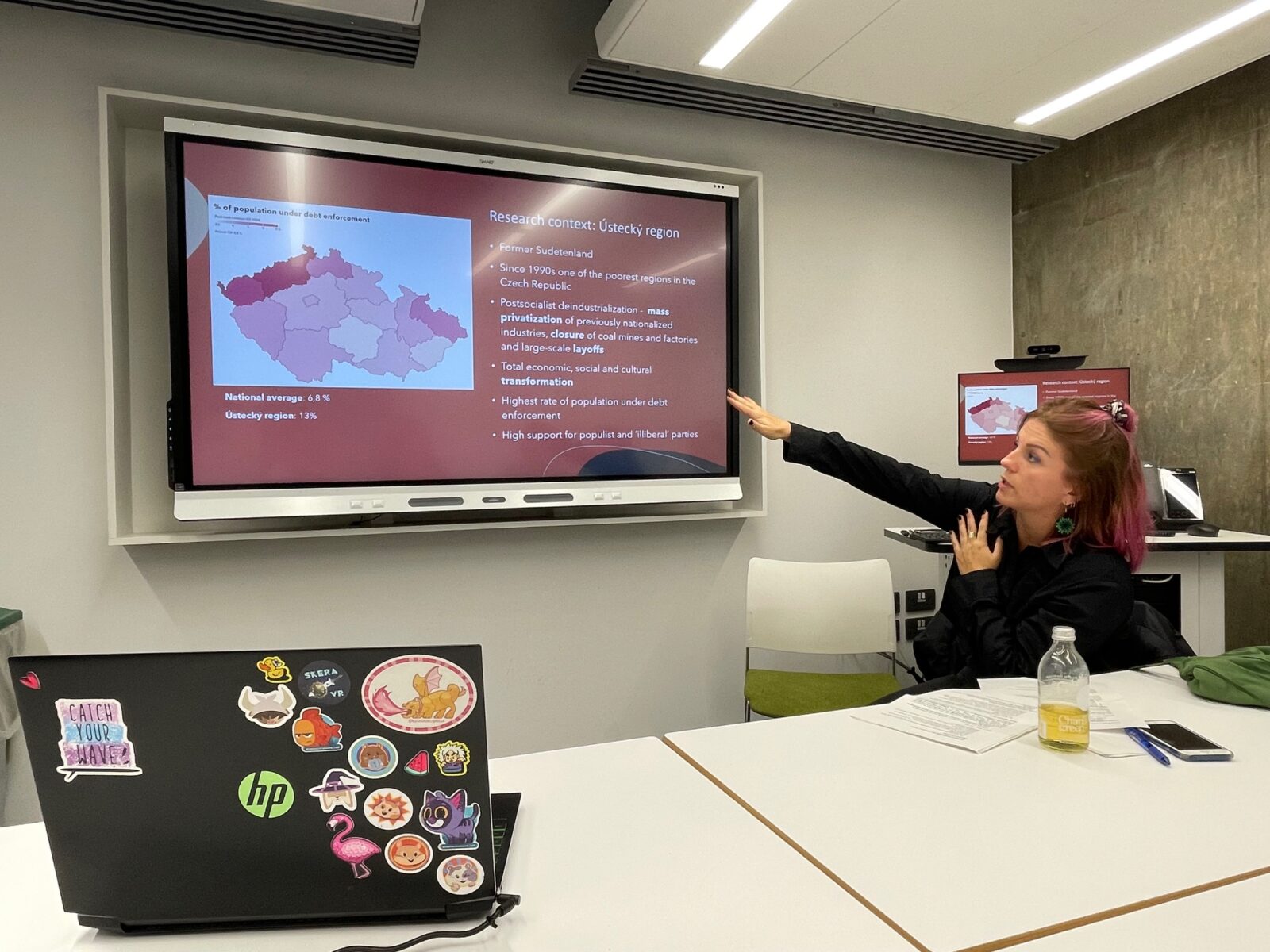
Jitka Králová presents her initial findings from ethnographic fieldwork in the Ústí region, highlighting the socio-economic drivers behind political polarization. Student Research Seminar at the UCL School of Slavonic and East European Studies, October 2024.
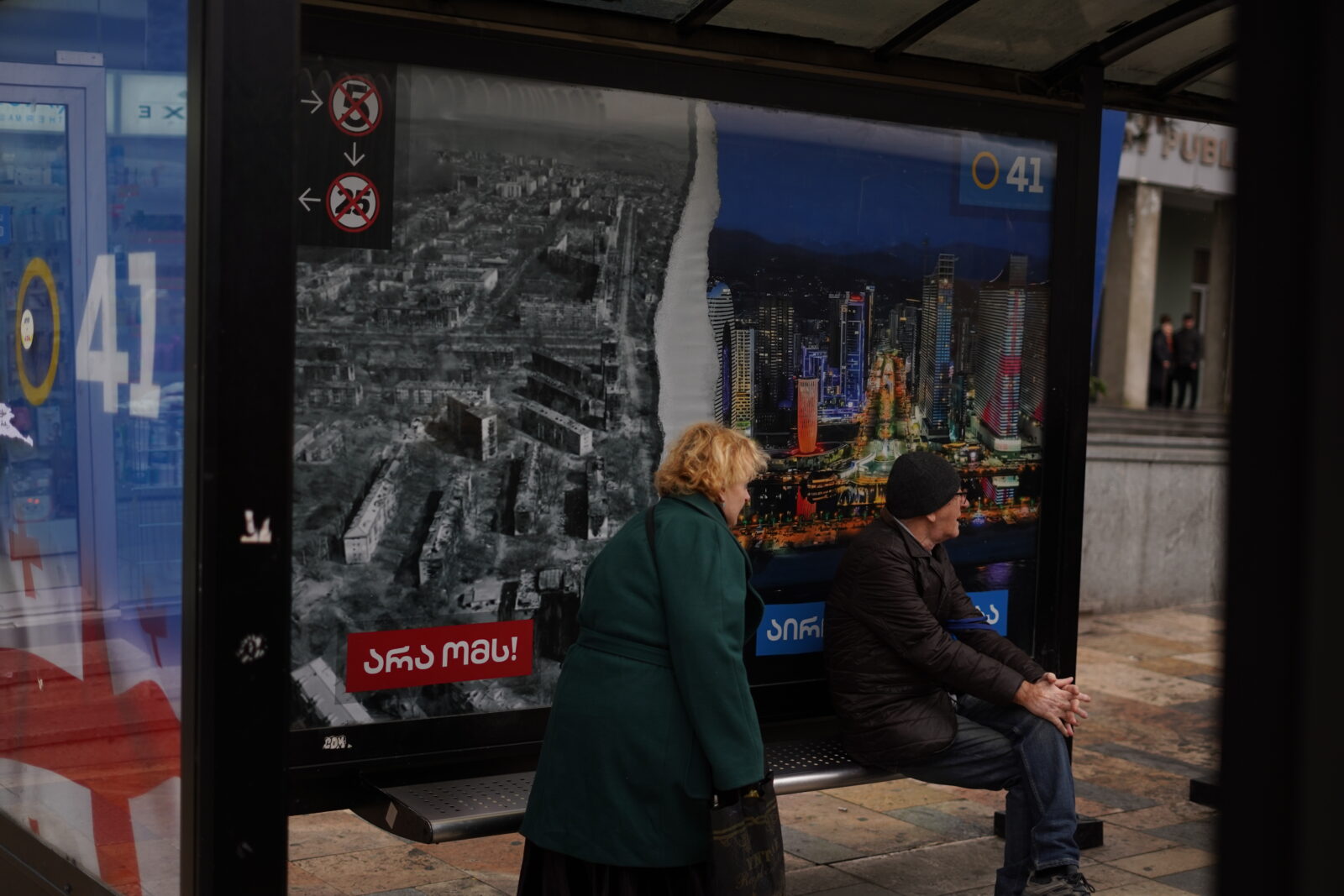
Parliamentary Election Day in Georgia, 26.10.2024. Add billboards from the ruling party, Georgian Dream (n.41), capitalised on Georgians' fear of another war with Russia. Here, on the left, we see Mariupol's ruins after Russia's bombing, with the overwriting 'no to war'. On the right, an image of Georgia's town of Batumi's skyscrapers with the phrase 'choose peace'. Fieldwork glimpse, October 2024, Laura Mafizzoli.
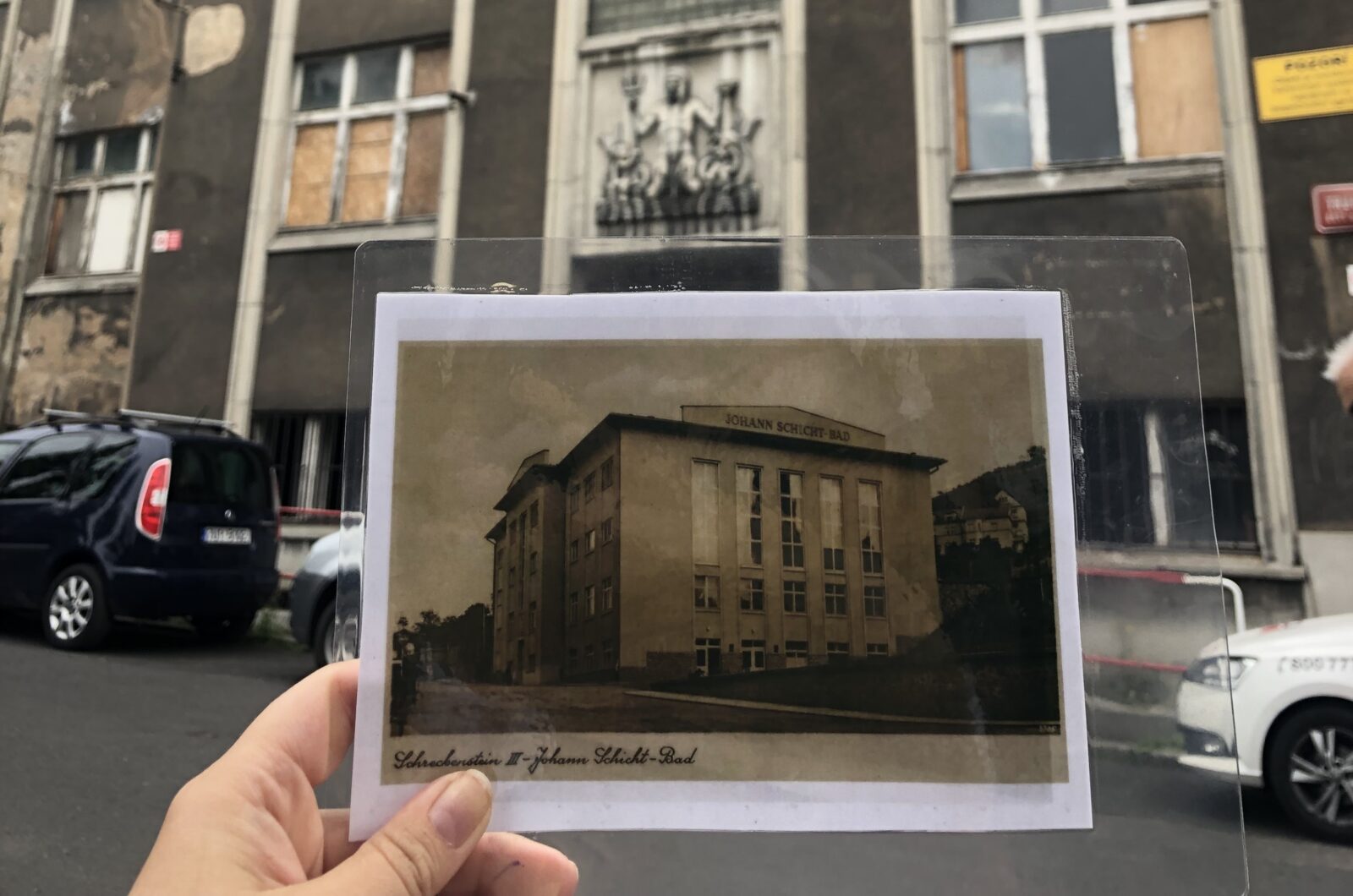
The photograph held in the glimpse captures a former luxurious spa complex built for the employees of the Schicht’s manufacturing plants in Aussig / Ústí nad Labem. The spa building, which has since the postsocialist transition been left to decay, evokes the abandonment of prosperity and care for the working classes. Filedwork glimpse, June 2024, Jitka Králová
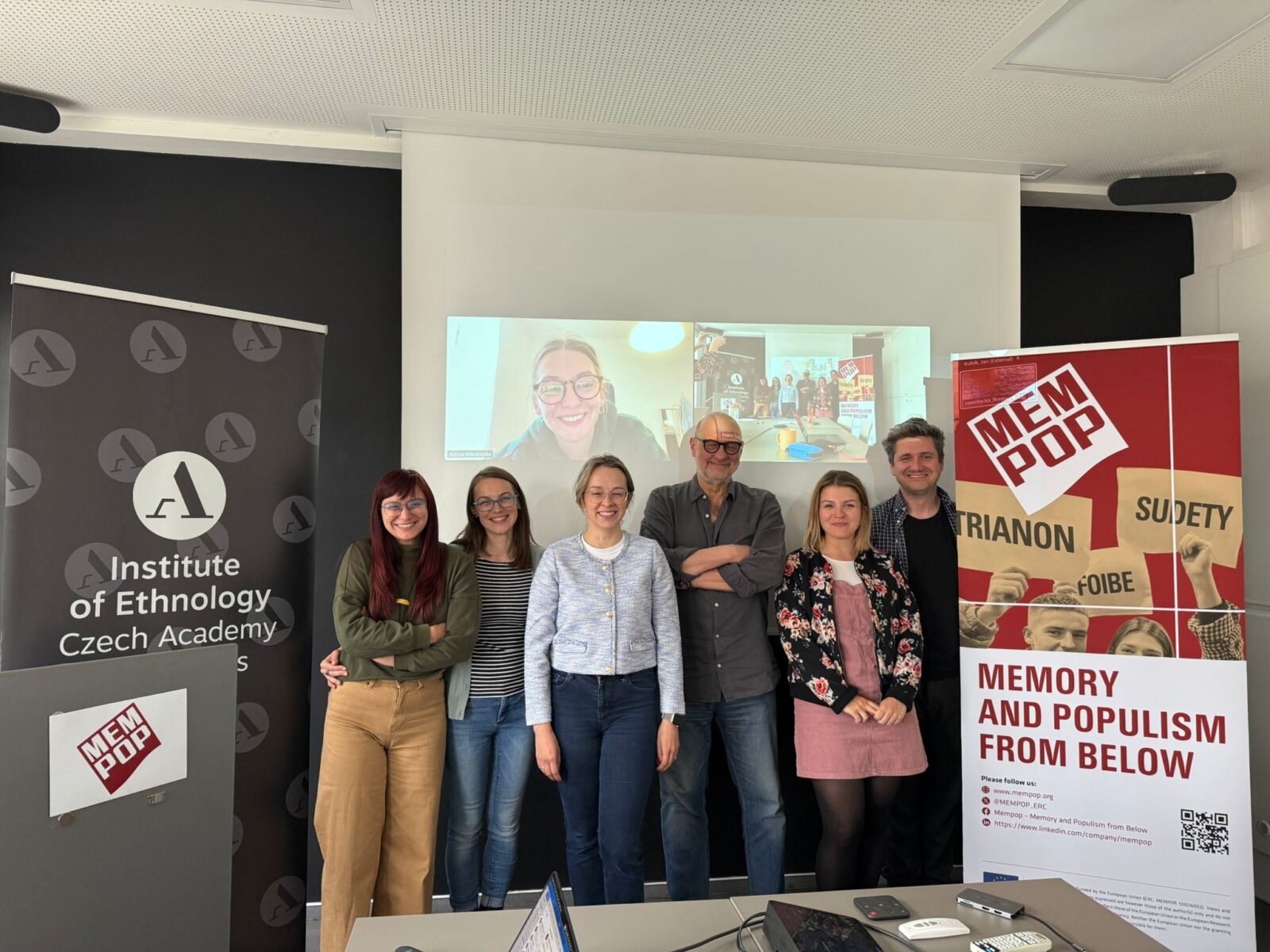
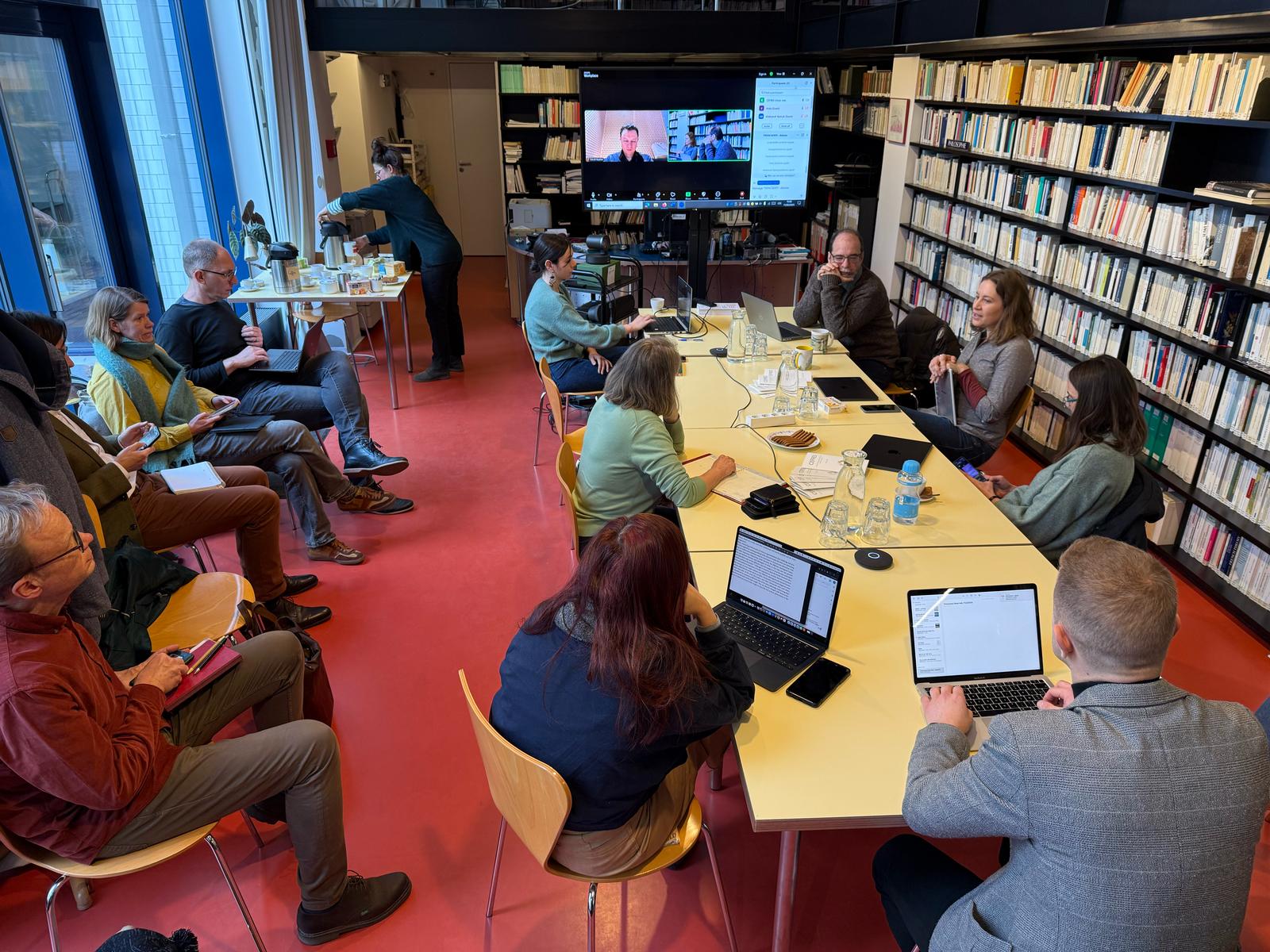
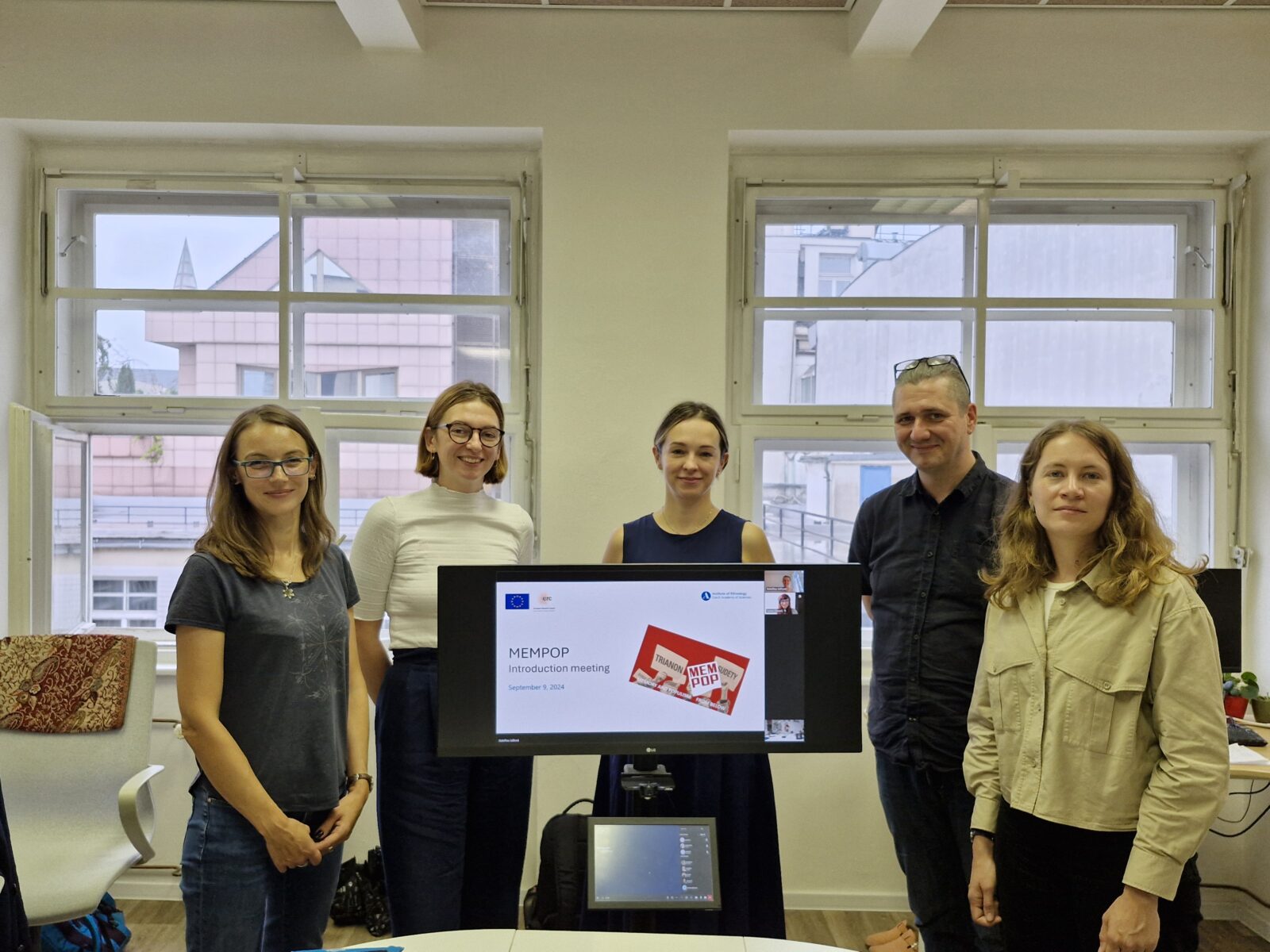
Throwback to our amazing team meeting at the Institute of Ethnology project office in beautiful Prague. What an incredible time working together! (September 2024)
29 Hungarian Jews were murdered here in 1945 during the construction of the 'Southeast Wall' in Jennersdorf, Burgenland. The bodies were exhumed in the presence of Simon Wiesenthal and a memorial was erected in 2022. Fieldwork glimpse, Aug. 2024, Franz Graf.
Working with local experts: Regional research institutions provide valuable insights and resources, offering access to local archives, historical records, and specialized knowledge that are crucial for understanding regional contexts and nuances. Fieldwork glimpse. August 2024, Dr. Ondřej Kolář of the Silesian Museum in Opava with Johana Wyss
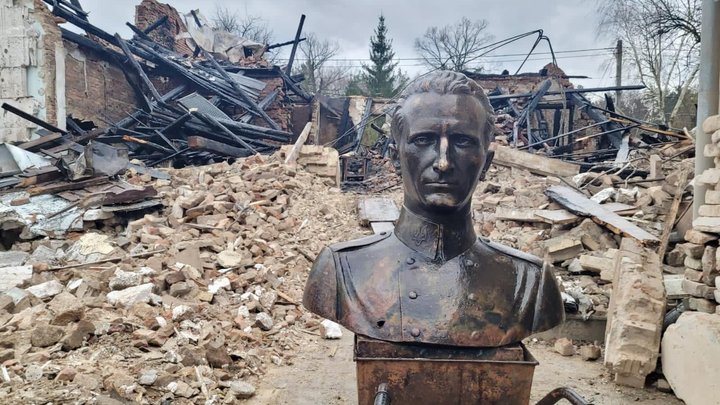
Memorial museum of Roman Shukhevych, leader of Ukrainian Insurgent Army during their war for independence, anti-Polish massacres and anti-Jewish pogroms. Shukhevcych was ambushed here by Soviet authorities. Ca. 500 000 Ukrainians were deported in retaliation. A Russian attack destroyed the museum in 2024. Diána Vonnák (Photo by Maksym Kozytskyi)
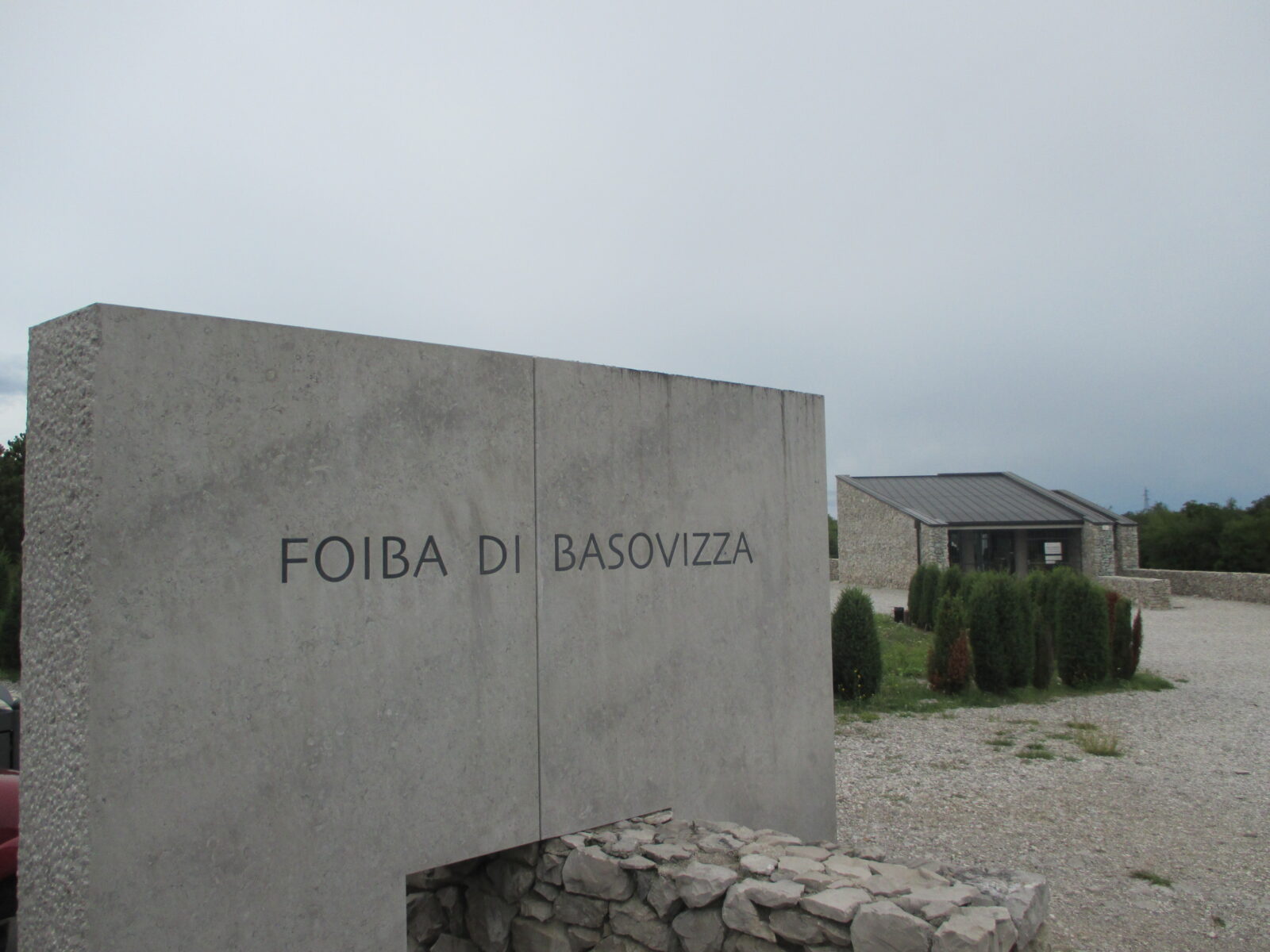
Controversial memorials: Monument in Basovizza, near Trieste. Since 1992, a National Monument, commemorating the "victims of the Foibe massacre." It also reflects the manipulation of history by the Italian far-right. One of the focus areas of the MEMPOP project. Fieldwork glimpse. August 2024. Laura Mafizzoli
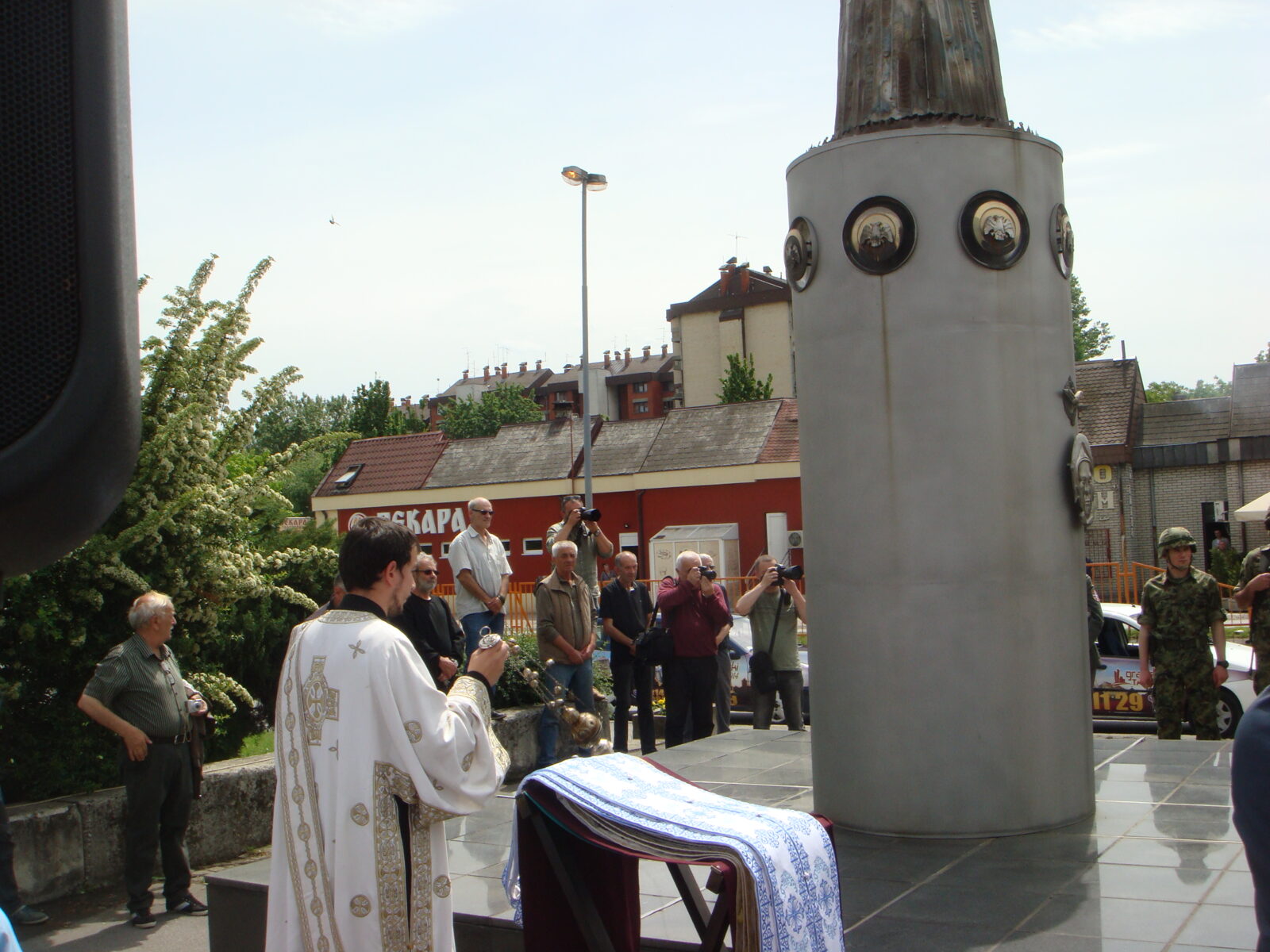
Ethnographic Lens: While an ethnographer struggles with understanding how commemorative narratives are constructed, the camera's lens provides an answer with apparent simplicity—through the indispensable collaboration of the state, the media, and the church. Fieldwork glimpse. May 2019, Astrea Nikolovska
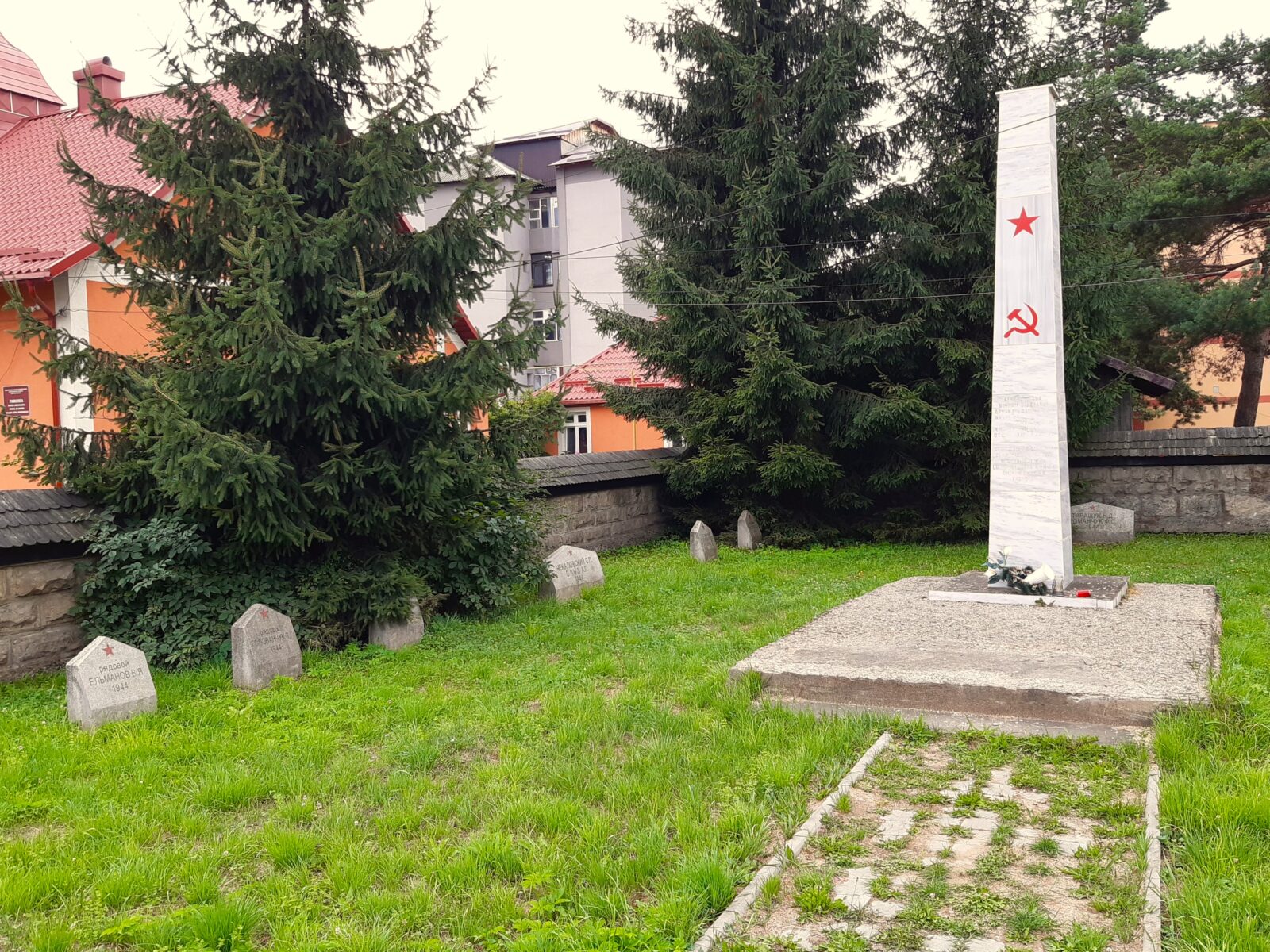
Ambiguous loyalties: Soviet Monument in the center of the town vs. anti-Soviet monument hidden in the nearby forest. In Bukovina, one of the MEMPOP project's fieldwork sites. Fieldwork glimpse, June 2024, Ioana Brunet
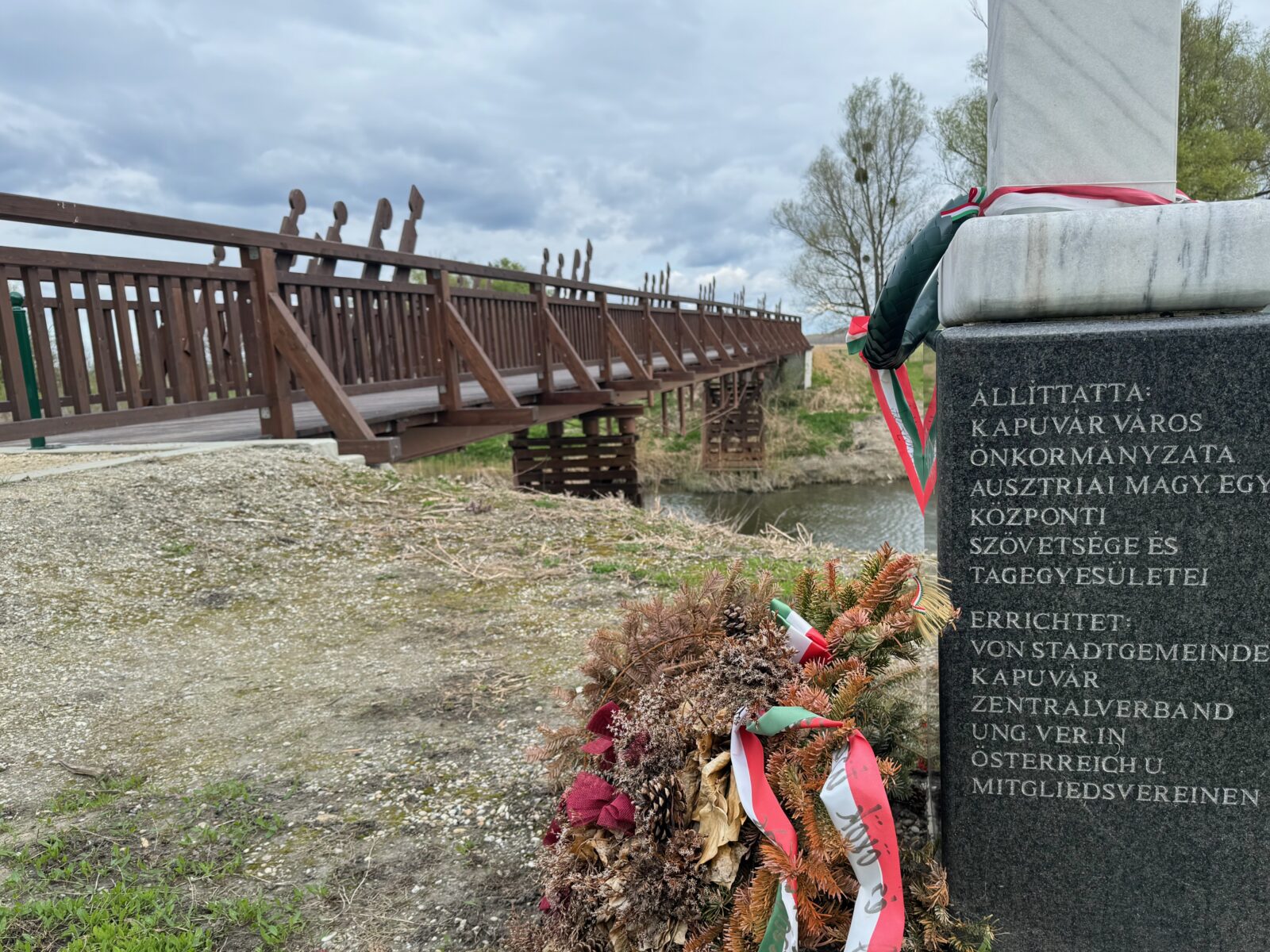
Memento 1956: The Bridge at Andau serves as a reminder of the Hungarian uprising and symbolizes the willingness to help. This spirit has been increasingly challenged, not only in Burgenland—one of the #MEMPOP project's focus areas. Fieldwork glimpse, March 2024, Franz Graf
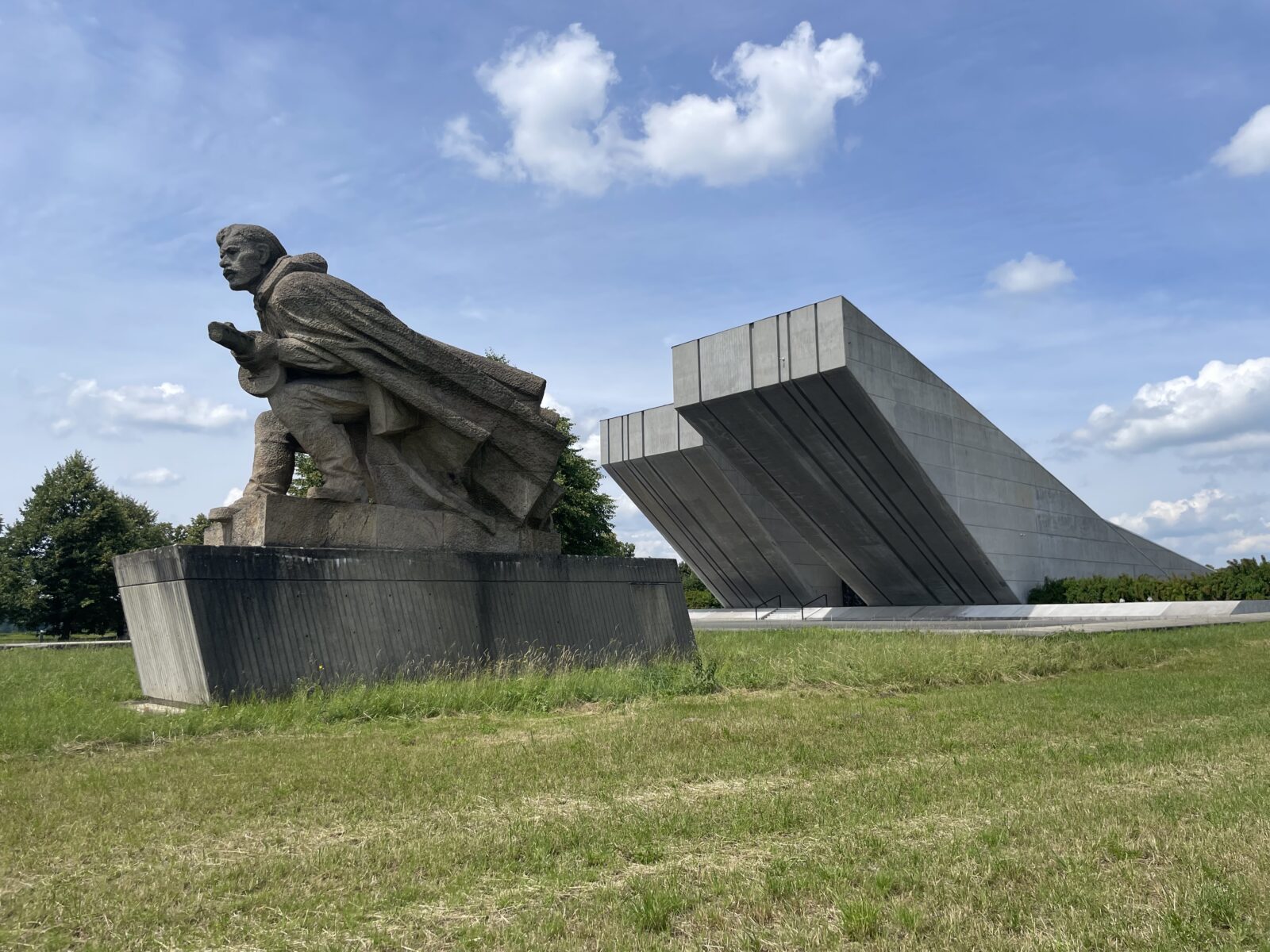
Memorial to the Enemy: The Hrabyně Memorial—initially honouring the Soviet Army but built by former Wehrmacht soldiers. Reflects tangled legacies and shifting identities in Czech Silesia—one of the MEMPOP project's fieldwork sites. Fieldwork glimpse, June 2024, Johana Wyss